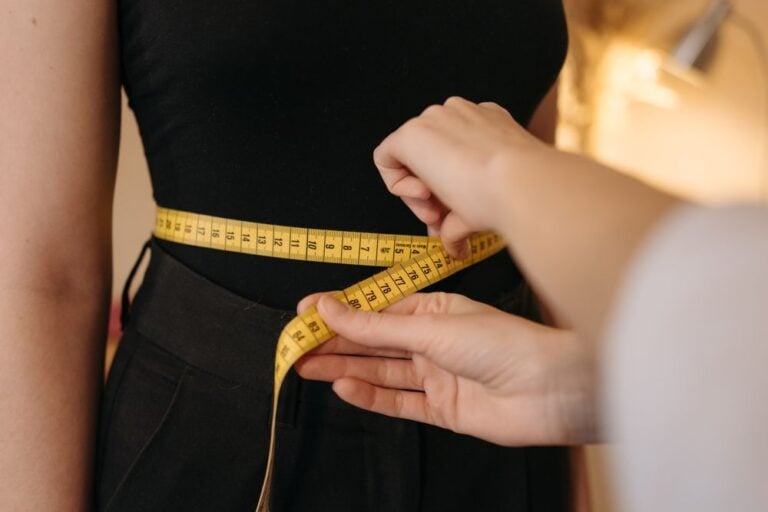
Wearing a Weighted Vest? Follow These 7 Rules First
 6
Mins Read
You’ve probably seen weighted vests on park paths and on the treadmill next to you at the gym. Strapping one on is one of the easiest ways to make an ordinary walk harder, and plenty of people swear by it.
Easy to start. Also easy to get wrong.
Too heavy, too tight, worn too long, or worn for the wrong workout, a vest can actually work against you. University of Miami sports medicine physician Jennifer Horawski warns that a load that’s too heavy, or one that throws off how you move, can cause back, neck, or joint injuries. The seven rules below take you from buying your first vest to knowing when you’re ready for more weight. If you already own one, skip ahead to rule 3.
You’ll also like:
- 7 Exercises Runners and Hikers Should Do to Protect Their Knees
- The 60-Second Walking Test Everyone Over 50 Should Try
- 5 Simple Bodyweight Exercises to Stay Strong After 50
What a Weighted Vest Can and Can’t Do
Start with expectations. They decide whether a vest is worth your money.
A vest makes everyday movement more demanding. J. Luke Pryor, an exercise scientist at the University at Buffalo, points to a 2024 study from the US Army Research Institute of Environmental Medicine: the more weight people wore in the vest, the more energy they used while walking. His colleague Christopher Perry calls a vest a useful accessory, like seasoning on a meal. In other words, it adds to a routine without replacing one.
What it won’t do is replace lifting.
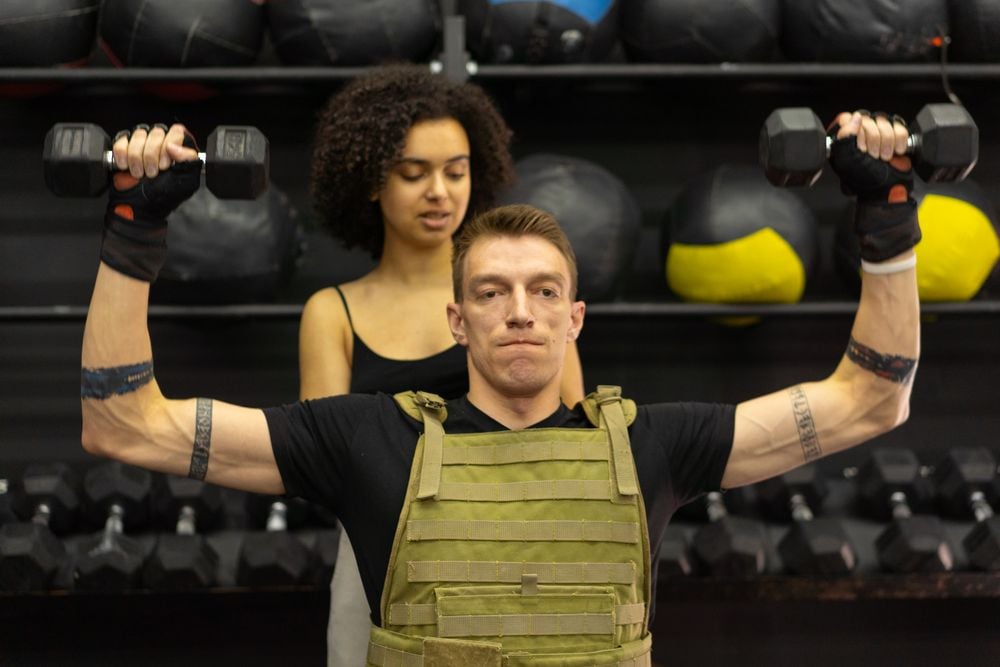
Muscle physiology researcher Lauren Colenso-Semple told CBC that walking doesn’t move your muscles through a full range of motion, so it isn’t enough of a stimulus to build muscle. For muscle and bone, she says, lifting weights is a better tool. She also warned that the smartwatch calorie counts people post from their vest walks aren’t that accurate.
So treat the vest as a way to get more out of walks you already take.
1. Do the Math Before You Buy
Two of the experts we checked give the same starting range: 5 to 10% of your body weight. Horawski recommends starting there, and Perry at Buffalo gives the same range.
Weigh yourself. Multiply by 0.05 for the bottom of the range and 0.1 for the top. At 150 pounds, that’s 7.5 to 15 pounds.
Horawski’s advice is to start with a low weight, so the lower end of that range is the cautious choice.

An adjustable vest makes this easier because you can add or subtract weight in small pieces instead of buying a second vest. Kristen Beavers, a Wake Forest researcher who studies weighted vests in older adults, told AARP you can even start by wearing the vest with no weights in it at all.
Get used to how it sits on your body. Add load later.
2. Fit It Snug, Not Tight
A loose vest can bounce. A bouncing vest can rub and pull you off balance.
Snug has a limit, though. Horawski warns that a vest that’s too tight, or one worn during aerobic exercise, can compress your chest and affect your breathing. Brisk walking counts. If your breathing feels restricted on a walk, loosen the vest or go lighter. Look for an adjustable vest that spreads the weight evenly across your upper body.

Try this before your first walk. Strap the vest on and take a few deep breaths. If your ribs can’t expand, loosen it. Then walk briskly for a minute. If it bounces, tighten it a notch.
The shoulders matter too. The vest should sit on them, not slide down toward your arms.
3. Walk First, on Flat Ground
Start with walking. Perry’s advice for beginners is to keep it to walks or easy hills at first, stick to good surfaces and footwear, and build up slowly.
Running is a separate step, and a bigger one. Horawski doesn’t recommend wearing a vest for high-impact exercise like running unless a physical therapist or sports medicine physician has advised and trained you.
Then only change one thing at a time.

If you add a vest this week, keep your usual route, pace, and distance. Once the walk feels normal again, make a change. Adding weight, distance, and speed in the same week is asking for trouble.
4. Don’t Buy One Just for Your Bones
Bone health is one of the biggest selling points; however, the research hasn’t caught up.
The theory is simple. Bones respond to load, so add load. Wake Forest researchers put that to the test in the INVEST in Bone Health trial. They followed 150 older adults with obesity through a year of weight loss. One group also wore a weighted vest for an average of 7.1 hours a day. Another group did resistance training.

All three groups lost a similar amount of hip bone density. Neither the vest nor the resistance training stopped it.
A follow-up analysis in Frontiers in Aging used thigh-worn sensors to track how long participants spent standing or stepping. In the diet-only group, more time upright went with more hip bone loss. That pattern didn’t show up in the vest group or the resistance training group. The authors call the analysis exploratory and say more research is needed before anyone can say a vest protects bone.
So if bone is the reason you want a vest, treat it as an extra, not the plan. And if you’ve been told you have osteopenia or osteoporosis, talk to your doctor before you start.
5. Take It Off for Bending, Twisting and Stairs
Some movements and a vest don’t mix.
Beavers told AARP she had to remind study participants to take the vest off during activities with a lot of bending. Fitness instructor Denise Austin, who wears one on her daily walks, rules it out for yoga, stretching, and anything that turns you upside down. She also skips it for sports with lots of twisting, such as pickleball and tennis.
Then there’s balance.

Horawski warns that a vest may increase your risk of falling, particularly on stairs and uneven surfaces. A trail full of roots is a poor place to discover how the extra weight affects your footing.
Until you feel steady in it, keep the vest for flat paths, and take extra care on stairs. Leave it at home for rocky trails.
6. Wear It for a Session, Not All Day
Some people wear a vest through the school run, the grocery shop, and the afternoon at their desk. More must be better, right?
Not here.
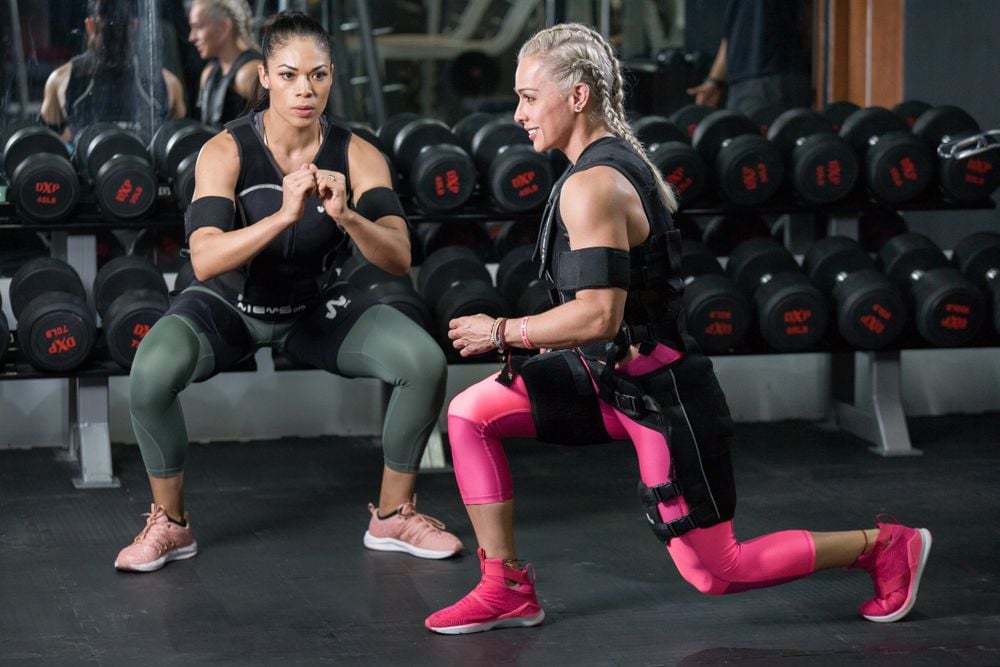
Horawski’s advice is direct: don’t wear a weighted vest all day. Use it only during deliberate, intentional sessions of activity. Worn for too long, or with the weight poorly distributed, it can lead to poor posture over time.
A session can be a walk or a block of housework. What matters is that it ends. Austin began with 20-minute walks before working up to 30, which is a sensible way to build. Then the vest comes off, and your back gets a rest.
7. Let Your Posture Tell You When to Go Heavier
Progress is the point. Just let your body set the pace.
Horawski’s test is simple. The vest should feel challenging, but you should still move naturally and stand tall. If you’re leaning forward, slouching, or straining, the weight is likely too much.
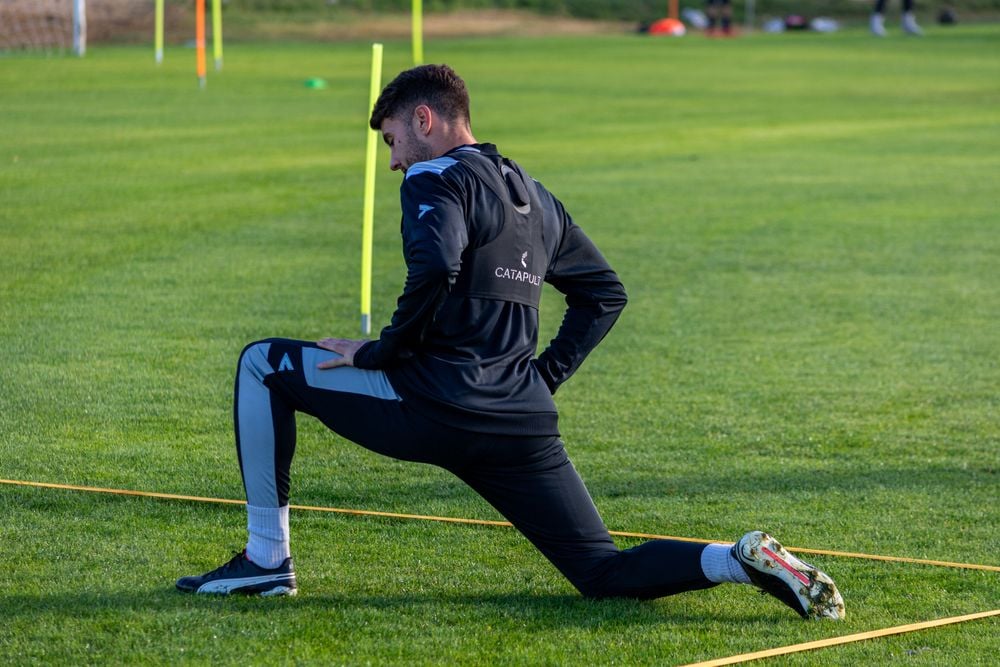
Check yourself in a shop window. Or ask someone to watch you walk for a minute.
When the current weight feels easy, and your posture holds, add a little more. Horawski suggests increasing the load gradually, typically every two to four weeks. Small steps. If your form slips after you go up, go back down.
Who Should Skip the Vest
A vest isn’t for everyone. Horawski says people with spinal problems such as disc herniations or scoliosis, joint pain, arthritis, recent injuries, balance or gait problems, or severe osteoporosis should avoid them, as should children and anyone pregnant. Beavers doesn’t recommend a vest for people with chronic back, shoulder, or knee pain, out of concern that it could make those conditions worse.

If any of that applies to you, if you’ve been told you have low bone density of any degree, or if you have another medical condition, talk to your doctor or a physical therapist before you buy one.
Final Thoughts
A weighted vest is a simple way to make the walking you already do a little harder. It works best when you start light, keep it snug, take it off for bending and twisting, and stop adding weight before your posture slips. It won’t replace lifting, and the main trial on bone found no protective effect, so treat it as an extra on top of a solid routine.
Start with your next walk. Weigh yourself, work out your 5% number, and wear the vest on a flat route you already know well. Add weight only when your posture says you’re ready. If you have joint pain, a back problem, or any other health condition, check with your doctor first.