
The 4-Week Diet That Lowered Biological Age After 65
 5
Mins Read
5
Mins Read
Four weeks. That was all it took for a dietary change to lower the biological age scores of adults aged 65 to 75 in a University of Sydney trial.
The diets that moved the score cut fat, animal protein, or both, with most of the plate coming from whole plant foods.
Here is what the trial did and what its score means, followed by five swaps you can make on your own plate.
You’ll also like:
- The Longevity Habits You Should Start Today
- 16 High-Fiber Foods You Should Eat More Of
- Watching Your Blood Pressure? Check These 7 Foods First
1. What the Trial Actually Did
The research team supplied the food.
The 104 participants, all aged 65 to 75, were randomly assigned to one of four diets. For four weeks, the researchers provided each group with its meals.
Four diets, one change at a time
Every diet got 14% of its energy from protein. Two were omnivorous, with half of the protein coming from animal foods. The other two were semi-vegetarian, with 70% of the protein from plants.
Each of those came in a higher-fat and a higher-carb version. The higher-carb omnivorous diet, for example, got 28% to 29% of its energy from fat and 53% from carbohydrates.
That design let the researchers change one thing at a time: where the protein came from, and how much fat replaced carbohydrates.

What the score measures
Biological age here is a score calculated from routine blood and body measurements. They include cholesterol, insulin, and C-reactive protein, a blood marker of inflammation, along with blood pressure.
The result is an estimate of how old the body appears based on those measures, rather than how many birthdays the participants have had.
What changed
The omnivorous high-fat diet most closely resembled what participants normally ate. That group showed no meaningful change.
The other three groups all showed reductions. The omnivorous high-carb group gave the clearest result.
What the researchers won’t claim
The study’s lead author, Dr Caitlin Andrews, was careful. “It’s too soon to say definitively that specific changes to diet will extend your life,” she said.

A lower calculated biological age doesn’t necessarily mean aging itself has been permanently reversed, and the researchers don’t yet know whether the changes last. The participants were also non-smokers without serious illnesses such as type 2 diabetes.
So treat the result as a signal. A lower score here means the body looked younger on that set of measures. That is worth having on its own.
2. Keep the Carbs, Change the Kind
If you’ve been told to cut carbs as you get older, this trial complicates that. Its clearest result came from a higher-carb diet.
There’s a catch, and it’s important. As BBC Science Focus reported, those carbohydrates were minimally processed, and supermarket white bread and chips wouldn’t be expected to give the same result.
That’s the difference between a bowl of barley and a white bread roll. Refining wheat strips away more than half of its B vitamins, 90% of its vitamin E, and nearly all of its fiber, according to Harvard’s Nutrition Source.

It also ties back to the score. Eating whole grains in place of refined ones substantially lowers total and LDL cholesterol, triglycerides, and insulin, according to the same source. Cholesterol and insulin are both among the markers behind the biological age score in this trial.
The swaps are simple:
- White rice for brown rice, barley, or bulgur
- Sugary cereal for plain oats
- White bread for bread with a whole grain listed first or second in the ingredients, which is the label check Harvard recommends
Keep the portion. Change the grain.
3. Move More of Your Protein to Plants
The semi-vegetarian diets took 70% of their protein from plants. Every diet held protein at the same share of energy, so what shifted was where it came from.
Beans, lentils and chickpeas do most of the work here. They are an inexpensive source of protein, complex carbohydrates and fiber, and their texture lets them stand in for meat in many dishes.
The evidence goes beyond this one trial. A meta-analysis of 11 clinical trials found that eating pulses, the edible seeds of legume plants, lowered total cholesterol by about 7% and LDL cholesterol by about 6%.

Start with a meal you already cook:
- Swap half the ground meat in a pasta sauce or chili for lentils
- Add chickpeas to a salad in place of some of the chicken
- Build one weekly soup around beans or split peas
If beans leave you bloated, soaking dried beans for at least three hours before cooking may help.
One caution for this age group. The trial kept protein steady rather than cutting it. If your appetite has shrunk, or you’ve been told to follow a special diet for kidney disease or another condition, ask your doctor or a dietitian how much protein you need before making any changes.
4. Trim the Fat You Don’t Notice
The one diet that showed no change was the omnivorous high-fat diet. A lot of added fat never registers as a choice. It gets poured into the pan or spread on toast without a second thought.
Three habits cut it without a new recipe:
- Measure cooking oil with a spoon instead of pouring from the bottle
- Go lighter on butter and cheese, both on Harvard’s list of foods to limit
- Keep red meat to smaller portions, which Harvard’s Healthy Eating Plate also advises

When you do use fat, the type matters; Harvard’s guidance is to use healthy oils such as olive and canola for cooking and at the table, and to limit butter.
One caveat. The semi-vegetarian high-fat diet also lowered the score, so the trial can’t pin the effect on fat alone. The researchers’ own summary is that cutting either fat or animal protein was linked to a lower score. That’s why this swap works best alongside the one above.
5. Change Enough to Count
This is the least comfortable finding. The diet that looked most like people’s usual eating did nothing measurable.
That diet was the one most similar to what participants had been eating before the study. The three diets that changed people’s eating more, by cutting fat, animal protein, or both, all moved the score lower.
A single token swap may not be enough. Aim to change most meals, not one.

A simple place to start is the side of the plate. Harvard’s Healthy Eating Plate puts it plainly: the more vegetables, and the greater the variety, the better. Potatoes and fries don’t count. Add fruit of any color where you’d normally reach for a sweet snack.
If you’re adding beans, whole grains, and extra vegetables at once, go slowly. Tufts nutrition scientist Jennifer Lee advises that you increase fiber gradually, and warns that too much fiber without enough water can leave you constipated.
6. Track the Numbers You Can Check
You can’t calculate this biological age score at home. But the good news is that several of the measurements behind it are routine.
Two of them, blood pressure and cholesterol, can be checked at a normal doctor’s appointment.
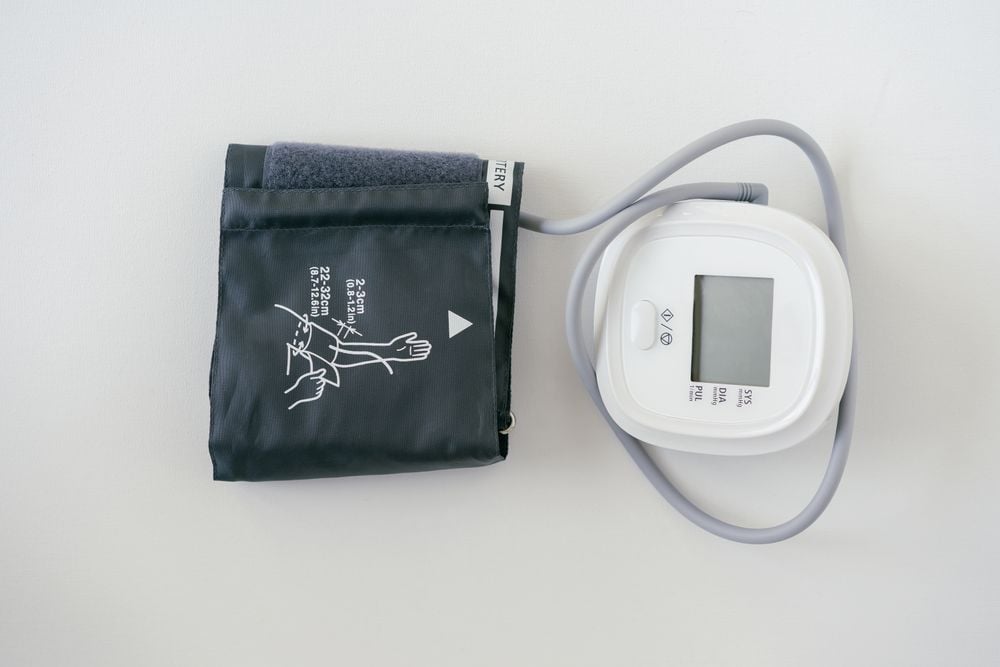
If you want to know whether a change is working for you, get a baseline before you start. Then recheck after a few weeks of eating differently.
If you take medication for blood pressure, cholesterol, or blood sugar, or follow a diet your doctor prescribed, talk to your doctor before changing what you eat. Eating differently can shift those readings, and your doctor may need to know.
Final Thoughts
Whether a month of lentils and brown rice adds years to your life is a question this trial can’t quite answer, and its authors say so plainly. But it does show that a score built from markers doctors already watch can move quickly in adults aged 65 to 75, and that the direction of movement depends on what’s on the plate.
The practical takeaway is modest: whole carbohydrates in place of refined ones, and more protein from plants, with less added fat along the way. Give it four weeks and check the numbers that matter to you. Your overall biological age score may be out of reach for now, but your blood pressure and cholesterol aren’t.