Watching Your Blood Pressure? Check These 7 Foods First
 4
Mins Read
4
Mins Read
Most people trying to manage their blood pressure start by putting the saltshaker down. That helps. But many foods that raise blood pressure never go near a saltshaker.
According to the American Heart Association, salt added while cooking and eating accounts for only about 11% of the sodium Americans take in. More than 70% comes from packaged and restaurant food. The sodium is already in the food, often in things that don’t taste salty at all.
Here are seven of the easiest to miss, and what the evidence says about each one.
You’ll also like:
- 3 Foods Cardiologists Want You To Avoid To Safeguard Your Heart
- 10 Seemingly Harmless Foods That Ruin Your Blood Pressure
- Over 50? Your Waist Says More About Your Heart Than Your Scale Does
1. Bread and Rolls
Bread doesn’t taste salty. That’s what makes it easy to overlook.
Breads and rolls are on the AHA’s “Salty Six,” its list of everyday foods that load the diet with sodium. According to the AHA, a single slice can carry as much as 230 mg, roughly 15% of its recommended daily amount.
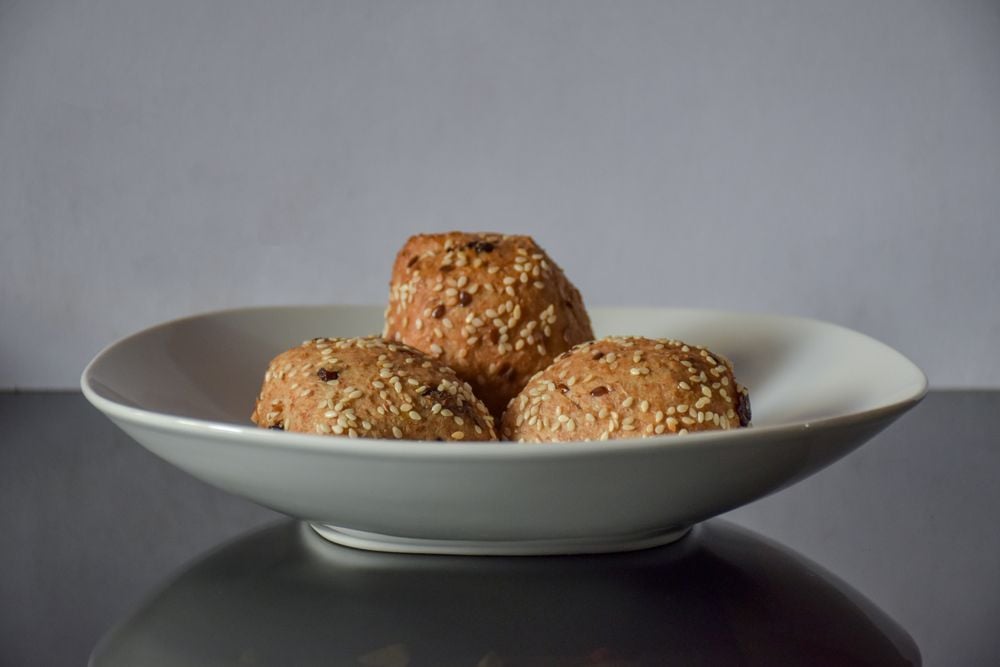
A single slice is modest. Toast at breakfast, a sandwich at lunch and a roll with dinner add up fast, and because none of it tastes salty, few people count it.
Check the label. The FDA defines “low sodium” as 140 mg or less per serving, and different brands of the same bread can differ a lot.
2. Deli Meats
In processed meat, sodium does two jobs: flavor and preservation. That’s why the numbers run so high.
Two slices of bologna contain roughly 910 mg of sodium, according to USDA data. Build a sandwich with bread, cheese and condiments and it can pass 1,500 mg. That’s the AHA’s recommended daily limit, which is stricter than the 2,300 mg cap in US dietary guidelines.
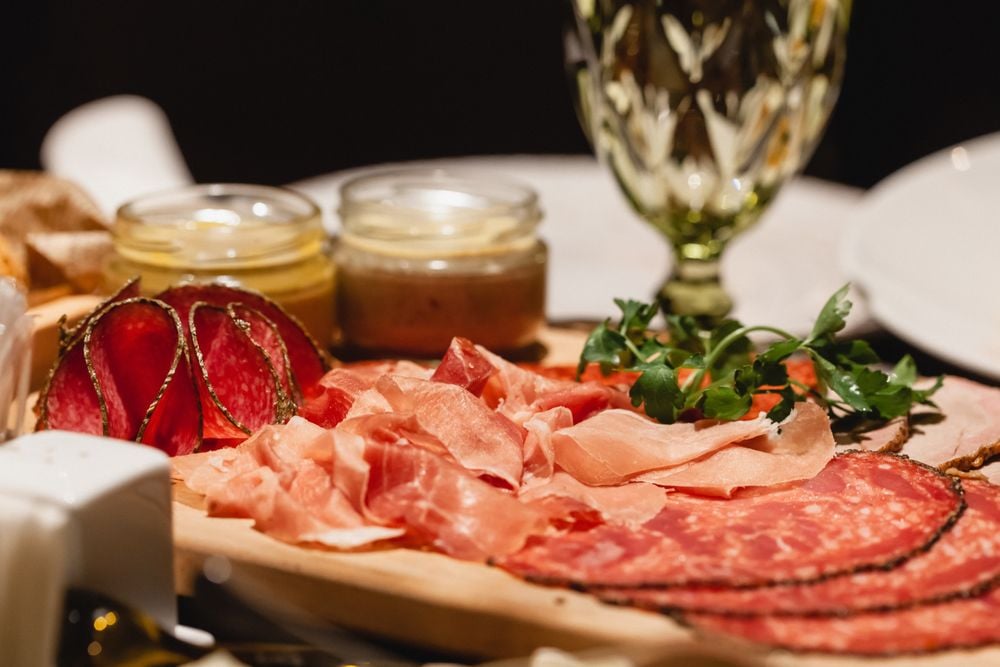
Harvard Health’s guidance goes further and sets the goal for processed meat at zero servings a day. If deli meat is a daily habit, it’s a clear place to start.
3. Alcohol
Drinking a glass of wine to unwind feels like the opposite of a heart risk. The research disagrees.
A study published in the Journal of the American College of Cardiology, led by Dr. Takahiro Suzuki of St. Luke’s International Hospital in Tokyo, tracked annual check-ups of Japanese adults over more than a decade. It found that even light-to-moderate drinking was linked to higher blood pressure, and that blood pressure fell when people cut back. The effect showed up across alcohol types. What mattered was how much.

Cardiologist Dr. Douglas Hart of White Plains Hospital Physician Associates explains that alcohol can relax blood vessels at first, but after about 12 hours blood pressure rises above where it started. The same article, citing a Cochrane review, notes that alcohol switches on the body’s fight-or-flight response and affects hormones that control fluid balance. Over time, heavy drinking leaves blood vessels tighter and less flexible.
So the red wine exemption doesn’t hold up. What raises the reading is the alcohol, whatever it comes in. Alcohol can also interfere with blood pressure medication, so if you take any, ask your doctor what’s safe for you.
4. Cottage Cheese
Cottage cheese has had a strong run as a health food. It’s high in protein and low in calories. The sodium number is the catch.
A 4-ounce serving of regular cottage cheese has about 356 mg of sodium, according to USDA data. A full cup is roughly double that, close to half of the AHA’s 1,500 mg daily limit.
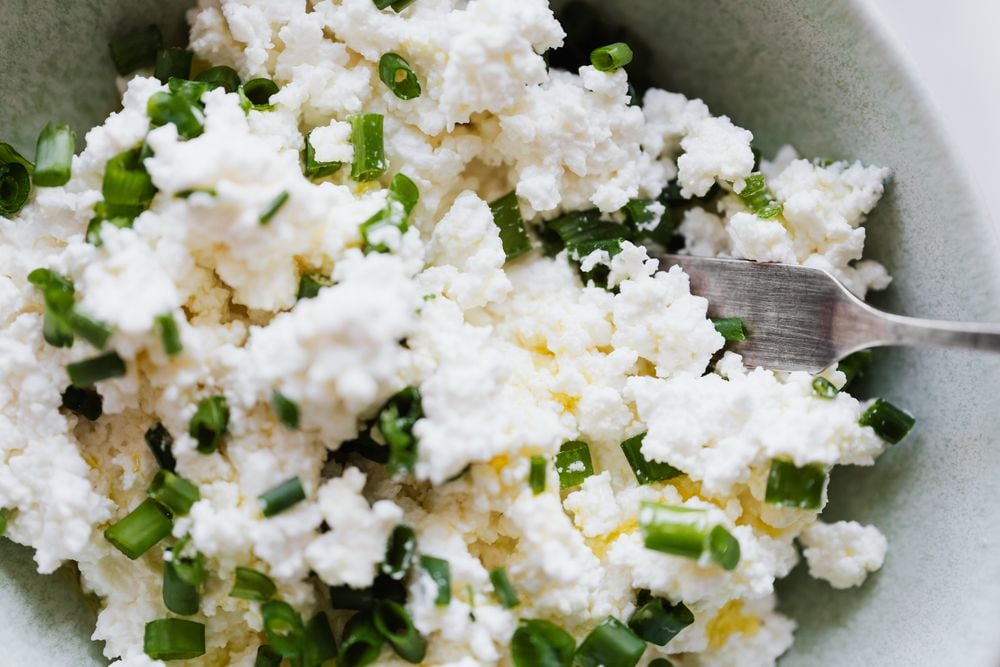
Check the sodium line before the protein line. Low-sodium and no-salt-added versions exist, and they cut the number sharply.
5. Store-Bought Rotisserie Chicken
Rotisserie chicken looks like the safe convenience pick. Lean protein, no sauce, no effort.
The issue is what happens before cooking. The National Chicken Council told Consumer Reports that essentially all rotisserie chickens are injected with a solution to keep them moist. How much sodium that adds depends on the store. Consumer Reports found 550 mg per 3-ounce serving at Sam’s Club and 460 mg at Costco, against 40 mg in Kroger’s Simple Truth chicken.
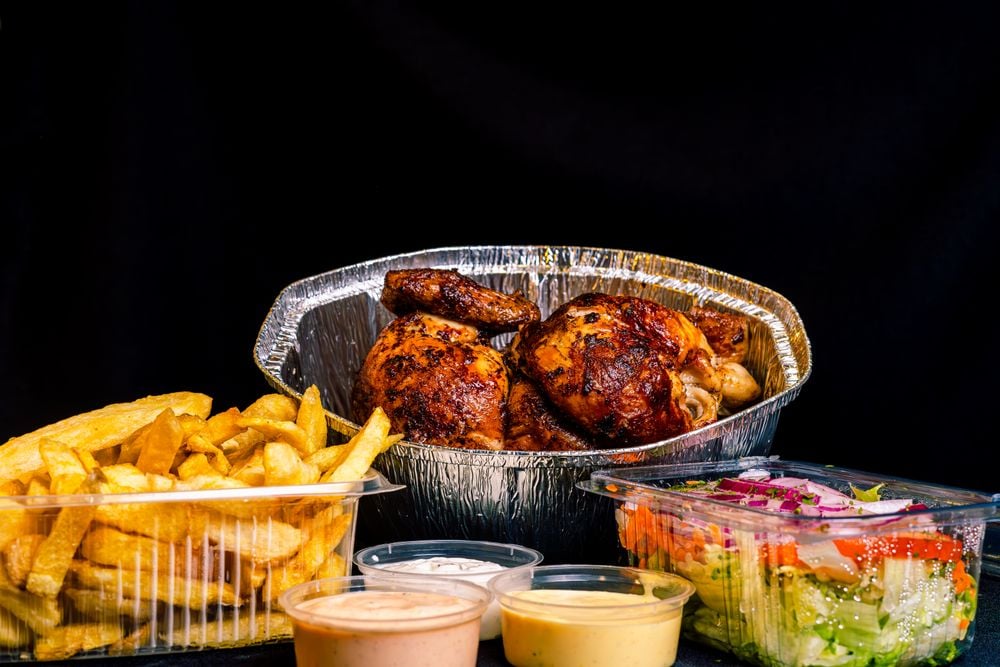
That spread is the useful part. Check the label at the counter or the store’s nutrition information, and pick the lower-sodium bird if you buy one every week.
6. Soy Sauce
One tablespoon of regular soy sauce contains about 1,000 mg of sodium, according to a University of Florida extension guide citing USDA data. A stir-fry made with two tablespoons reaches 2,000 mg before anything else on the plate.
Harvard Health lists soy sauce among the condiments to limit when cutting sodium. Low-sodium versions help, but they still carry sodium, so measure rather than pour.
Build flavor with rice vinegar, citrus or fresh ginger, and add soy sauce at the end in smaller amounts. If teriyaki, fish or oyster sauce is a regular in your kitchen, check those labels too.
7. Ultra-Processed Foods With Preservatives
This one goes beyond sodium.
A study of 112,395 adults in France, published in the European Heart Journal as part of the NutriNet-Santé project, linked common food preservatives to a higher risk of high blood pressure. People with the highest intake of one group of preservatives had a 29% higher risk of hypertension than those with the lowest intake. Eight preservatives stood out, including sodium nitrite (E250), citric acid (E330) and potassium sorbate (E202).
The study looked at these as added preservatives listed on ingredient labels. It says nothing about the natural acids in fruit. It’s also observational, so it shows a link and cannot prove the preservatives caused the higher risk.
Still, a study that size is worth watching. Reading the ingredient list alongside the sodium line gives you a fuller picture of what’s in a packaged food.
Final Thoughts
Blood pressure rarely comes down to one food. What these seven share is that they don’t announce themselves. Bread doesn’t taste salty, and cottage cheese and rotisserie chicken look like the sensible choice. That’s why they slip through.
Start with one item: whichever shows up most in your week. Read its label and see what you’re working with. If your blood pressure is already high, or you take medication for it, bring this list to your next appointment before making big changes.