7 Exercises for Neuropathy in Your Feet You Can Start Sitting Down
 6
Mins Read
6
Mins Read
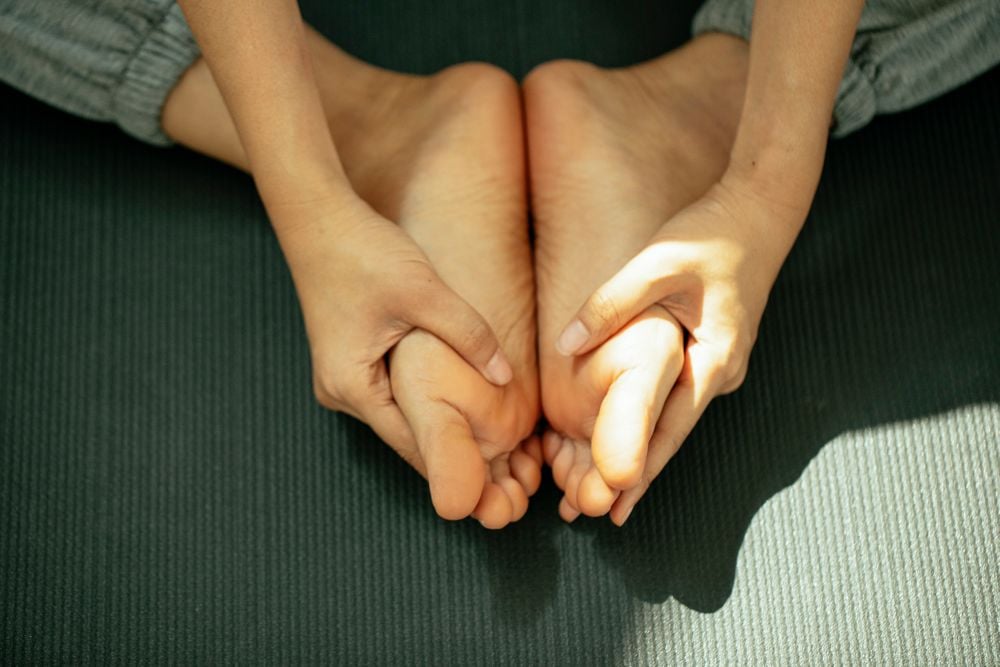
Stand up from your chair and pay attention to your feet for a moment. Do they feel planted? Or do you notice numbness, tingling, or a sense that the floor is somehow further away than it should be? That’s what peripheral neuropathy often feels like, and the exercises for neuropathy below start right where you are, in a chair.
Your nerves carry messages in both directions between your feet and your brain. When they’re damaged, some of those messages arrive scrambled, which you feel as burning or pins and needles. Some don’t arrive at all. That’s the numbness.
Here’s why it matters beyond discomfort. Your brain relies on those signals to know where your feet are and what they’re standing on, a sense called proprioception. Lose part of it and your balance loses one of its main inputs. That’s why people with neuropathy often shuffle, catch their toes, or feel unsure on uneven ground.
Exercise can train the balance system you still have. A 2026 meta-analysis of 16 randomized trials involving 759 middle-aged and older adults with diabetic neuropathy found that exercise improved scores on several standard balance tests, including how long people could stand on one leg.
The researchers rated the certainty of that evidence as low to very low, and they found no significant change in walking endurance. Promising, then, but not settled.
Most of this research involves people whose neuropathy comes from diabetes. If yours has another cause, such as chemotherapy, ask your care team whether these moves suit you.
These seven exercises for neuropathy in your feet start in a chair and finish standing on one leg. Begin with number one. If a move feels easy and steady, go to the next. If you’re already confident on your feet, feel free to skip ahead.
You’ll also like:
- 7 Simple Exercises to Improve Your Balance and Stability As You Age
- 3 Ankle Mobility Exercises To Reduce Foot Pain and Injury
- Why Tai Chi Walking Might Be the Best Thing You Can Do for Yourself
Before You Start: Set Up a Safe Corner
Talk to your doctor or physical therapist before starting any new routine, including these exercises for neuropathy, especially if you have a foot wound or ulcer, have fallen recently, or are being treated for cancer. The trials in the meta-analysis above excluded people with a history of foot ulcers or amputation, so the findings don’t cover them.
For the standing exercises, stand in the corner of a room facing outward, with walls behind you and to one side. Put a sturdy chair in front of you, within easy reach.
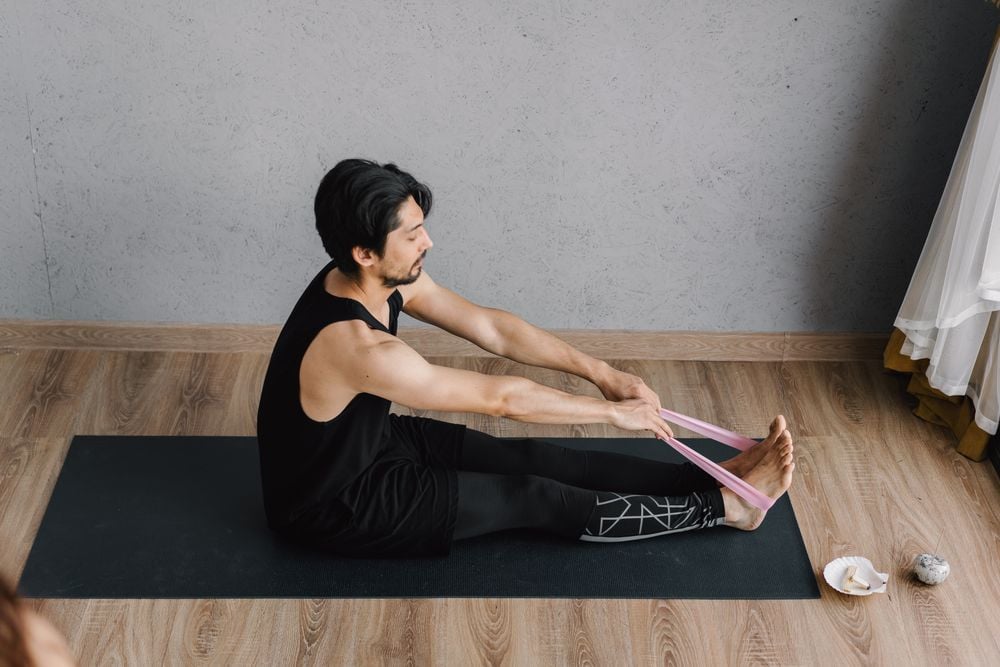
Wear supportive shoes. Socks on a smooth floor are a slip waiting to happen.
And check your feet afterward. Numb feet can’t tell you about a blister or a small cut, so look at your soles and between your toes after each session.
1. Seated Foot-Pressure Check
This is the gentlest of the neuropathy exercises here, and it trains the exact thing neuropathy takes away: your awareness of pressure under your feet.
Sit near the front of a sturdy chair with both feet flat on the floor. Press down through your heels and notice what you feel. Then shift the pressure to the balls of your feet. After that, shift the pressure to the outer edges. Then to the inner edges, around the arches.
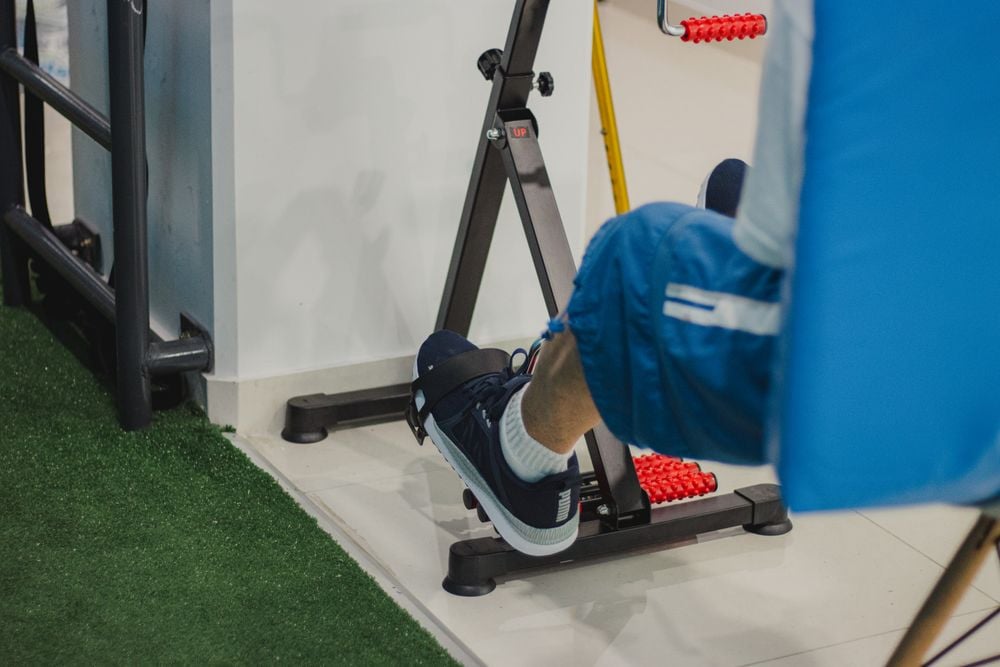
Move slowly. Pause at each point for a few seconds and ask yourself where the pressure is.
Some spots will feel clear. Others may feel faint or blank. Either way, you’ve learned something about your feet. Go around the circuit five times, then rest.
2. Seated Alternating March
Think of this as light cardio you can do during a TV ad break.
Sit tall without leaning back. Lift your right knee toward the ceiling, lower it, then lift your left. Swing your arms naturally as you go, opposite arm to opposite knee, the way you would on a brisk walk.
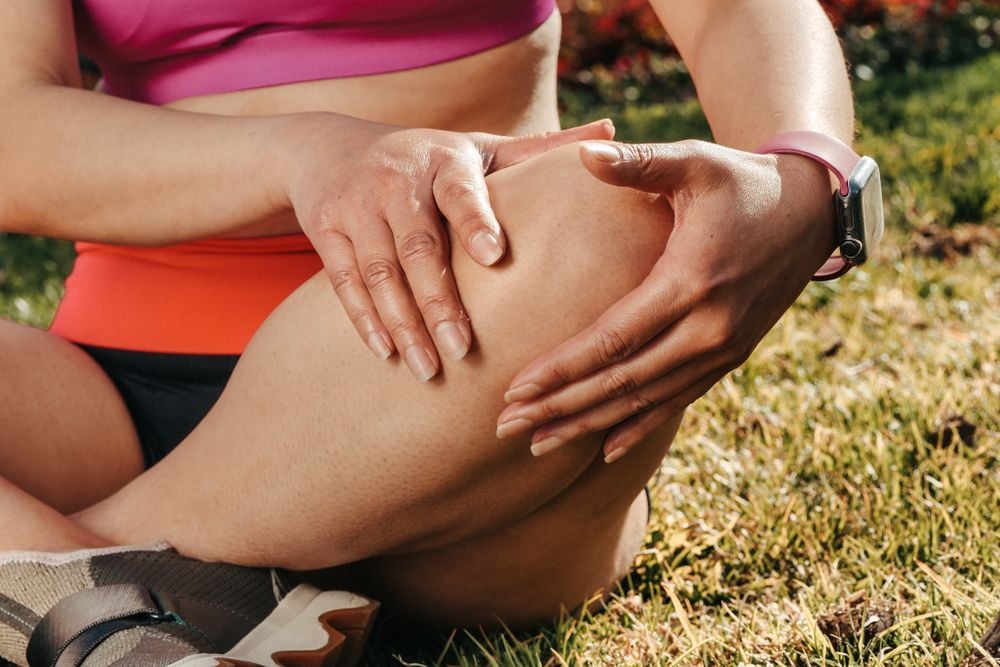
Start with 30 to 60 seconds and build toward one or two minutes over a few weeks.
Why bother with something this simple? In a small 2012 pilot study, 17 people with diabetic neuropathy did 10 weeks of supervised, moderately intense aerobic and strength training and reported less pain and fewer neuropathy symptoms afterward. The study had no comparison group, and the researchers said the results need confirming.
That program was harder than a seated march. Think of the march as the first step toward that kind of activity, once your doctor agrees.
3. Seated Heel-Toe Rocks
This one works both ends of your lower leg.
Keep both feet flat. Lift your heels while the balls of your feet stay down, and feel your calves tighten. Lower. Now rock the other way: lift your toes and the front of your feet while your heels stay planted. Lower.
Heels up, flat. Toes up, flat.
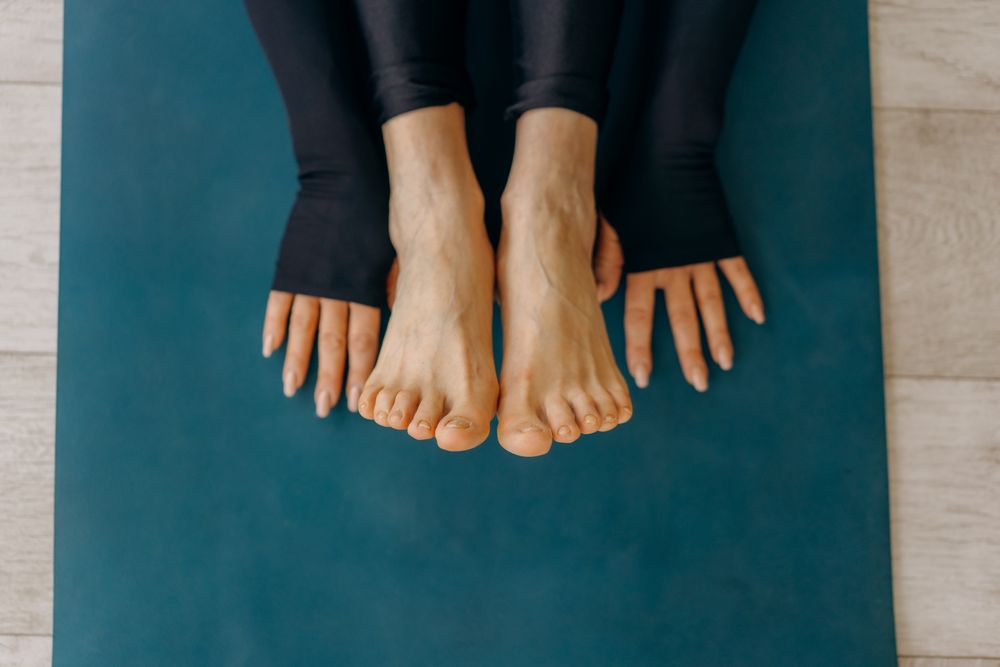
The toe lift works the tibialis anterior, the muscle along the front of your shin. It’s the one that raises your toes as you step forward. When it’s weak, clearing the ground gets harder and catching a toe gets easier.
Do 10 to 20 slow rocks. Expect a mild burn in your shins if these muscles haven’t had much work lately.
4. Seated Diagonal Chop
This one looks like an arm exercise, but your feet and trunk do most of the work.
Sit at the edge of your chair with both feet flat. Before you move your arms, press your feet firmly into the floor and keep that pressure the whole time.
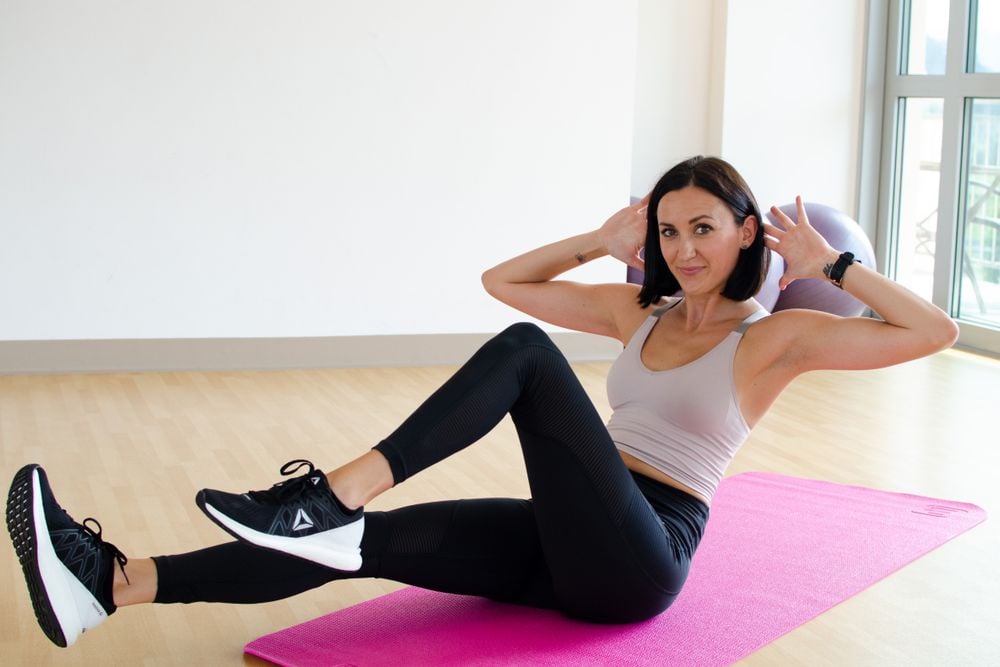
Clasp your hands and bring them down toward your left hip. Sweep them up diagonally across your body until they’re above your right shoulder. Bring them back down. That’s one rep.
Do 10 to 15, then switch to low right, high left.
As your arms travel across your body, your trunk has to control the shifting weight while your feet stay anchored. That’s the same job your body does every time you reach for something on a shelf.
If clasping your hands bothers your shoulders, move your arms side by side instead. The diagonal path is what counts.
5. Supported Sit-to-Stand
You stand up from a chair many times a day, which makes it worth practicing on purpose.
Sit near the front of a sturdy chair with a counter or second chair in front of you for support. Place your feet flat, slightly behind your knees. Lean forward, press through your feet, and stand up. Pause. Then sit down slowly, with control, rather than dropping.
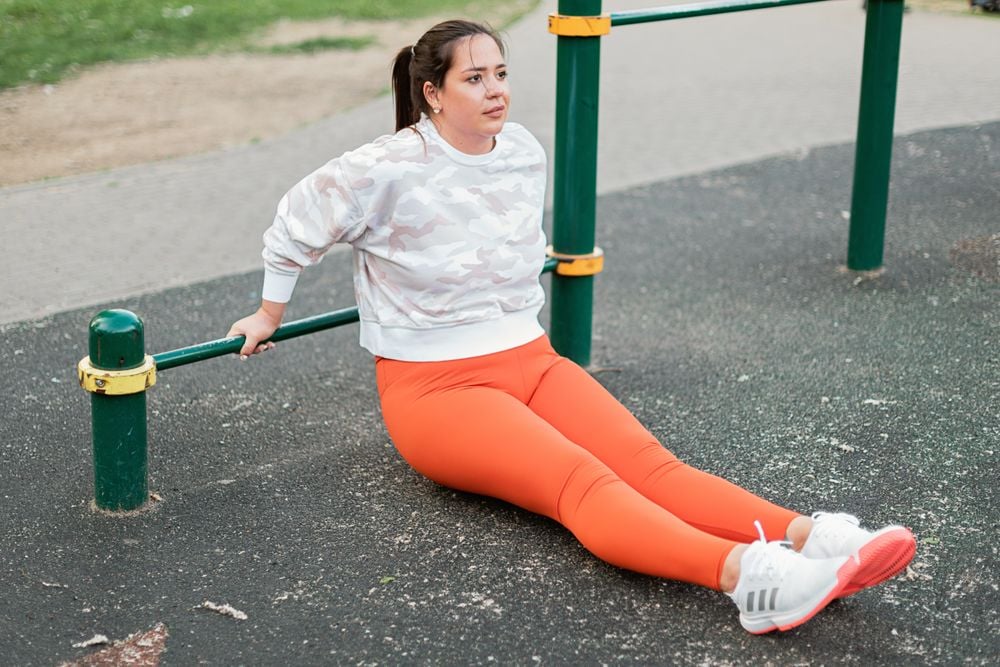
Use your hands on the support as much as you need at first. As you get stronger, try it with lighter hand contact.
Do 5 to 10. Before each rep, check that you can feel both feet on the floor. That small pause is part of the exercise.
6. Standing Weight Shifts
Now move to your corner, chair in front.
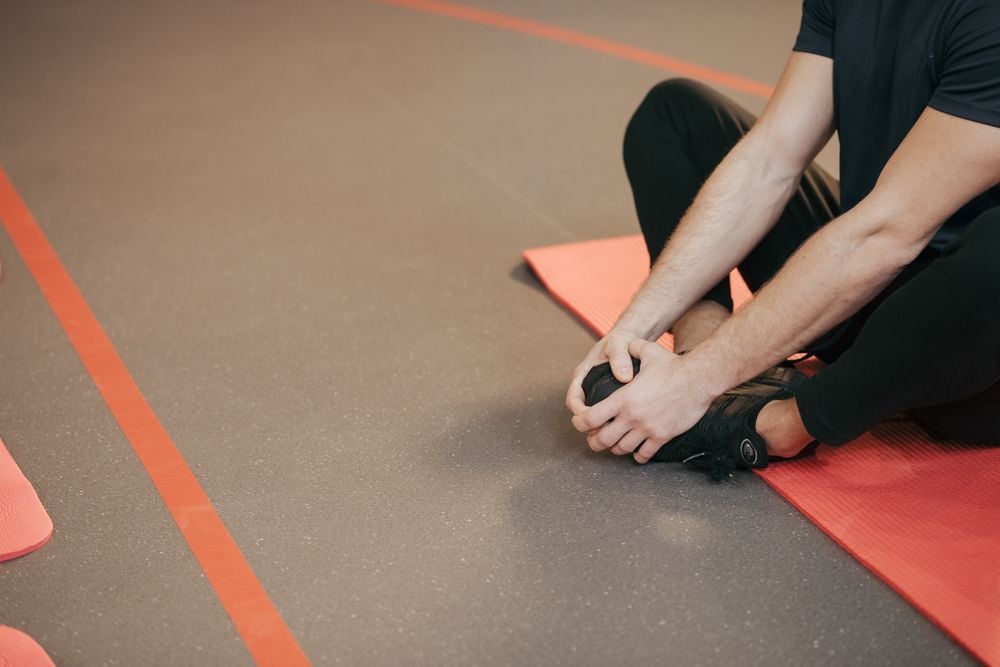
Stand with your feet hip-width apart and your hands resting on the chair back. Slowly shift your weight toward your right foot until it’s carrying most of your body, then back to center. Then to the left. Then forward onto the balls of your feet, and back toward your heels.
Keep your movements smooth. You’re drawing a slow plus sign with your body. Do the full pattern five times.
A 2024 systematic review in Clinical Interventions in Aging looked at balance programs for people with diabetic neuropathy who were at risk of falling. Interventions built on intentional weight shifting, such as tai chi and yoga, gave the most consistent results for lowering fall risk. The authors noted that those particular studies scored lower on quality, so treat this as encouraging rather than conclusive. This drill is the simplest version of that idea.
7. Modified Single-Leg Stance
This is the hardest move on the list. Don’t skip it, but respect where you are today.
In your corner, hold the chair lightly. Shift your weight onto your right leg. Step your left foot slightly behind you and let just the toes rest on the floor, like a kickstand. Your right leg does the work.
Keep a soft bend in your standing knee. A locked knee lets you hang on the joint. A slightly bent one makes the muscles around your knee and ankle hold you up.
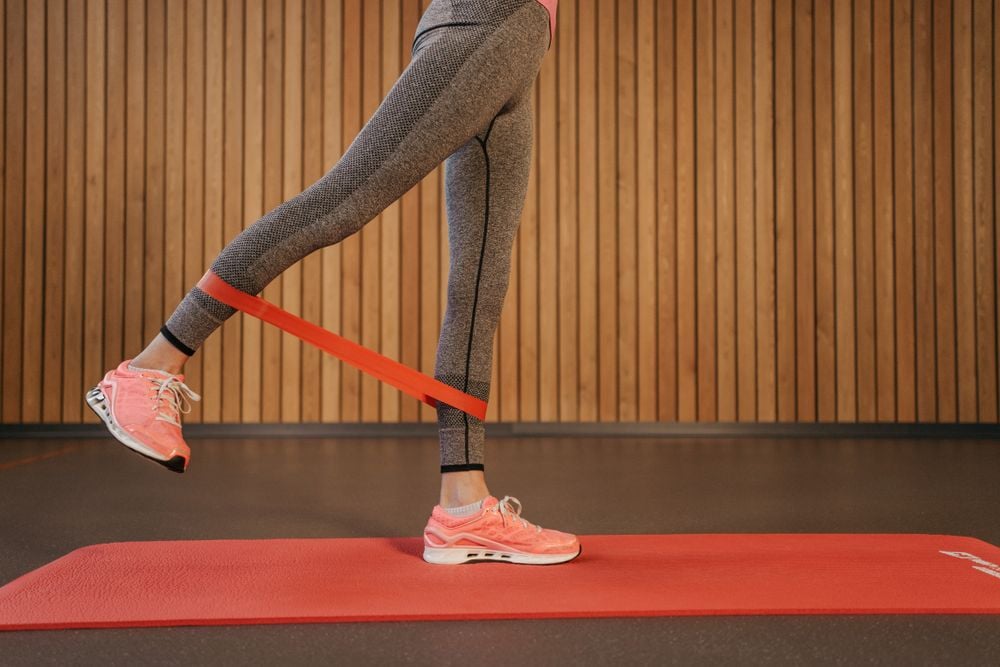
You’ll feel your ankle making small corrections. That wobble is the point. It’s your balance system working.
Hold for up to 30 seconds, then switch sides. Over time, try to lighten your grip to a few fingertips.
Easier Version
Place your back foot flat on the floor, just behind your front foot. This splits your weight between both legs.
Harder Version
Lift the back toes off the floor completely for a true single-leg stand. Keep the chair within reach and your hand hovering over it.
Want to see the moves in action? Watch the routine this article builds on, on the Fitwirr YouTube channel.
Final Thoughts
Start with two or three sessions of these neuropathy exercises a week, and give yourself a rest day in between. Each week or two, add a little challenge, such as a few more reps or a lighter grip on the chair. Pushing hard on day one and never progressing past week one are both ways to stall.
Neuropathy changes how much your feet can tell you, but your balance can still adapt to what’s left. The research is early and mostly small, so treat these moves as regular practice for your balance. Check your feet after every session, and tell your doctor about any new numbness, wounds, or falls.