Why Tai Chi Walking Might Be the Best Thing You Can Do for Yourself
 4
Mins Read
4
Mins Read
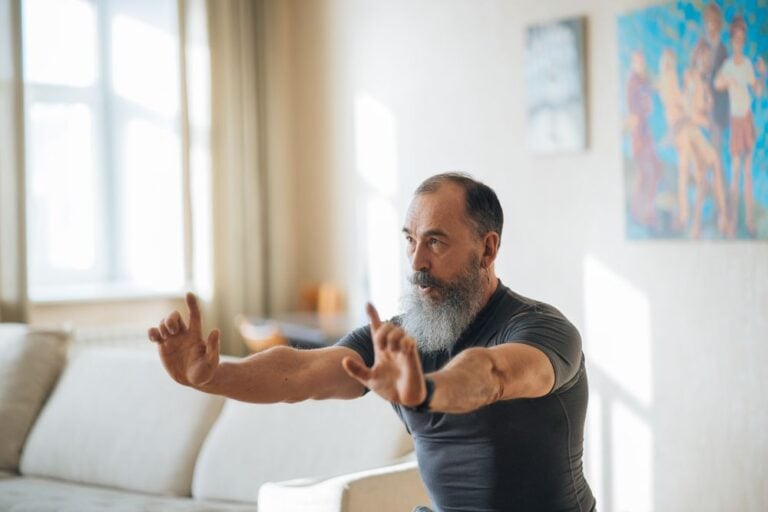
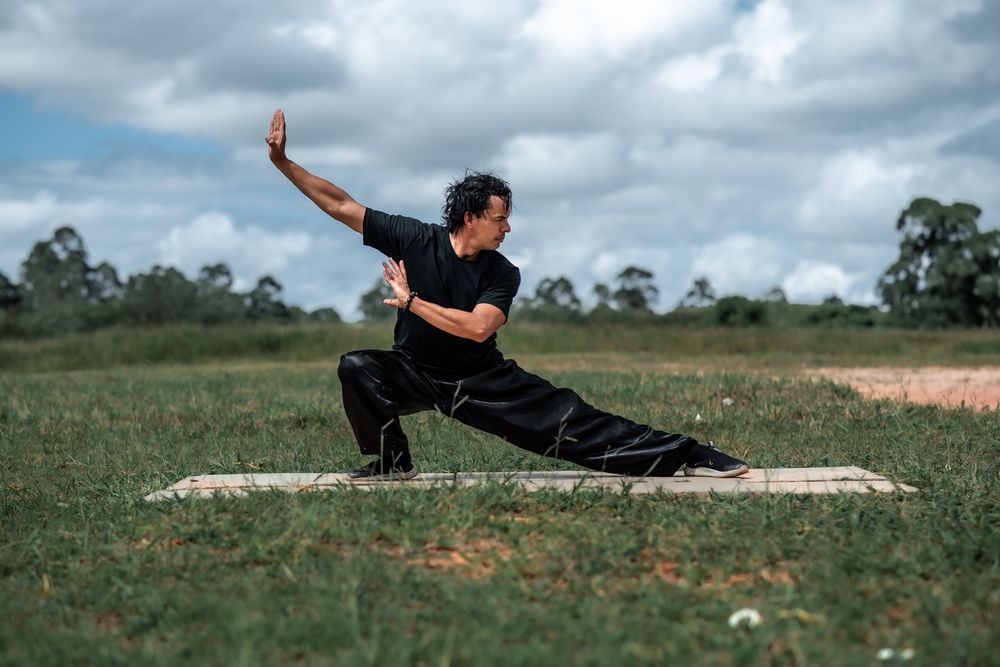
Tai Chi is often associated with older adults. It’s not surprising to see a group of older people practicing it slowly on a random Tuesday morning. It always looks graceful and calm. But what if it’s not just for older adults, but for everyone?
These slow, deliberate movements can offer benefits for people of all ages. If you aren’t already practicing it, tai chi may be worth adding to your routine. Something as simple and soothing as tai chi can change the way you move throughout your day, helping you become more aware of your body, breathing, and surroundings.
How Tai Chi Walking Is Different From a Regular Walk
There’s no doubt about the health benefits of walking. But tai chi walking offers something different. It’s a slower, more deliberate form of walking that you may have tried before without realizing it. Tai chi walking isn’t about speed, distance, or step counts. Instead, it focuses on intention, balance, breathing, and awareness.
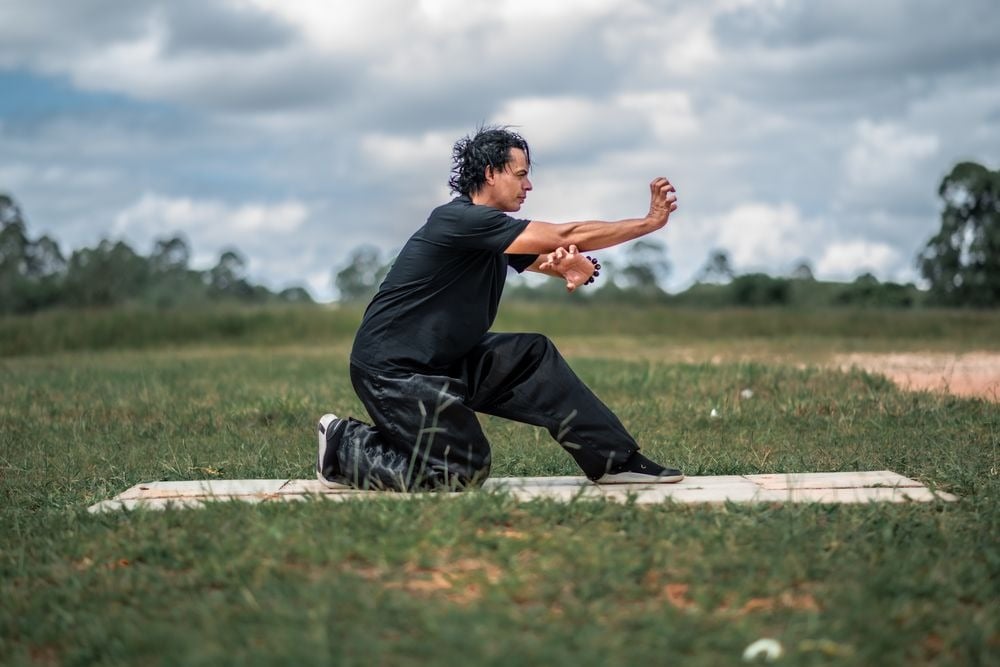
Each step in tai chi walking is placed with conscious attention. Nothing is meant to be rushed or accidental. Your heel makes contact with the ground before you slowly transfer your weight from your heel toward your toe. Your core stays gently engaged throughout the movement.
This may sound easy in theory, but it can be surprisingly challenging to practice. Most of us walk automatically without giving much thought to how each foot lands or how our weight shifts from one side to the other. Tai chi walking asks you to slow down and pay attention to each and every small detail.
Benefits of Tai Chi
Controlling your breathing and slowing your movements can help promote relaxation and calm your nervous system. Tai chi combines these elements with gentle physical activity, creating a practice that can support both physical and mental well-being.
1. Improves Your Posture
Poor posture is a common physical problem that affects people of all ages. Hours spent sitting at a desk, looking down at a phone, or simply developing poor movement habits can all contribute to it. Conventional advice for fixing posture often focuses on simply standing up straight, but that doesn’t necessarily teach your body how to maintain better alignment naturally.
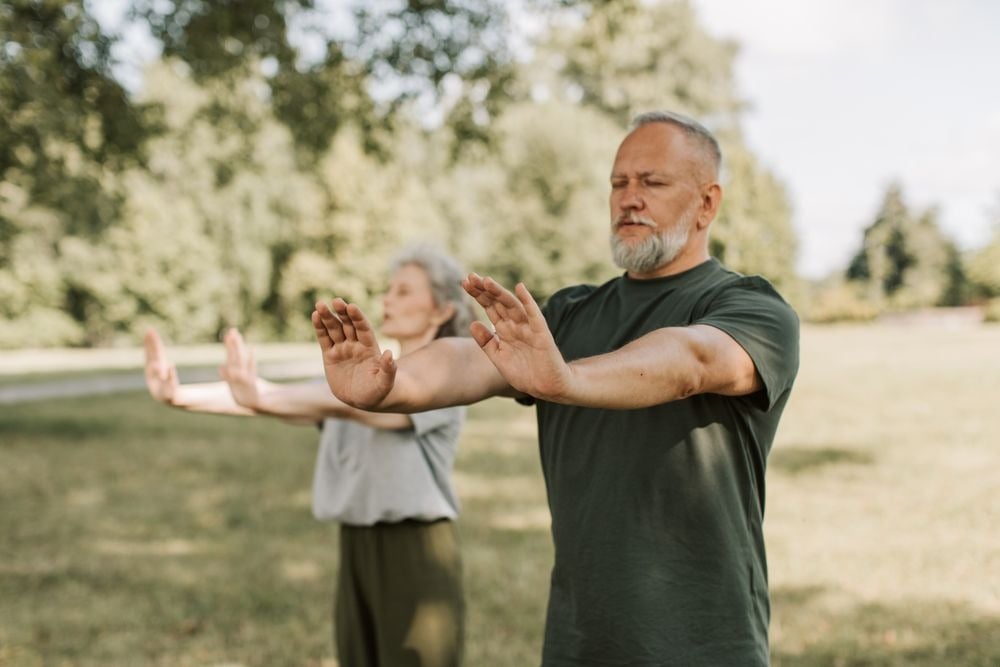
Tai chi takes a different approach. Rather than forcing yourself into a rigid position, it teaches body awareness through movement, breathing, and balance. As you practice, you become more aware of how your head, shoulders, spine, hips, and feet are positioned.
Better posture won’t necessarily eliminate health problems, but improved alignment and movement habits can make everyday activities feel more comfortable. Over time, developing better body awareness may also help you move more efficiently.
2. May Help Relieve Back Pain
Almost everyone seems to know someone who complains about back pain. The problem can become more common with age and for some, finding an activity that doesn’t aggravate existing discomfort can be challenging.
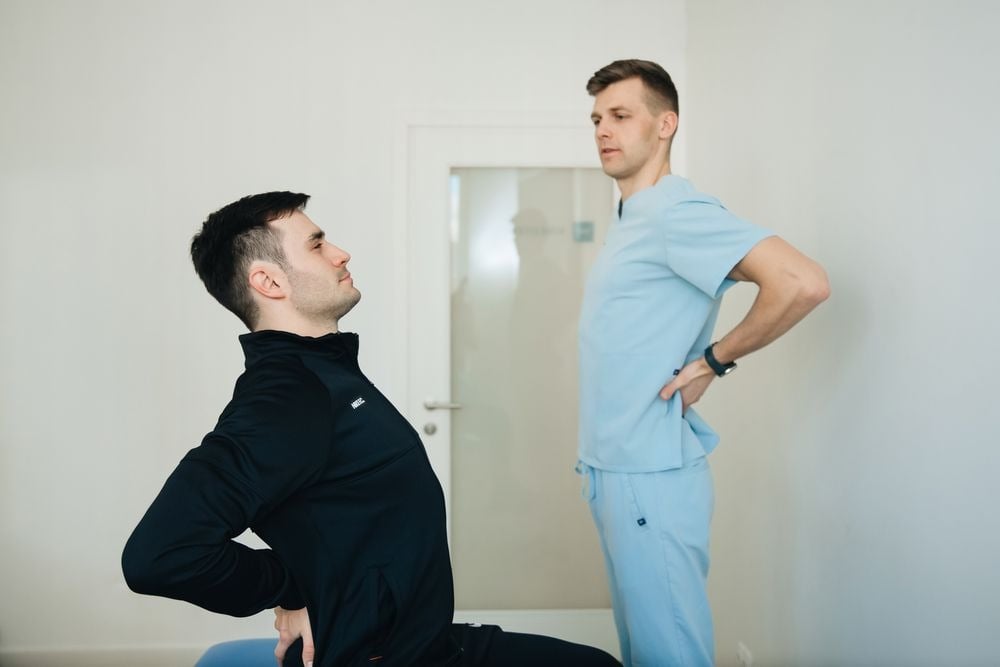
Tai chi offers a gentle approach to movement that may be useful for people dealing with chronic or recurring back discomfort. Its slow, controlled movements can be modified to suit different fitness levels and abilities, making them easier to practice than many high-impact forms of exercise.
There’s a reason tai chi may be helpful for back health. The movements engage muscles throughout your trunk, abdomen, hips, and legs, which can contribute to better balance and movement control. Research suggests tai chi may also help reduce pain and improve physical function in some people with chronic lower back pain.
The key is to keep the movements comfortable. If you have significant or persistent back pain, talk with a healthcare professional before starting a new exercise routine.
3. Helps Ease Daily Stress
Stress is an unavoidable part of life. You can’t always control what triggers it, but you can develop strategies to manage your body’s response.
Tai chi is one option. Its combination of slow movement, controlled breathing, and focused attention can encourage relaxation and support mental well-being. Instead of rushing from one movement to the next, you’re encouraged to stay present and pay attention to what your body is doing.

Regular practice may help calm your nervous system and create a greater sense of calm. Tai chi walking can be particularly relaxing because the slow pace naturally encourages you to step away from the usual rush of daily life.
Try pairing your movements with slow, comfortable breathing. For example, you could inhale gently through your nose for about 4 counts, then take a slightly longer, relaxed exhale. There’s no need to force a specific breathing pattern. The goal is simply to breathe comfortably while staying focused on the movement.
4. May Reduce the Risk of Falls
Falls are among the leading causes of injury, and the risk increases with age. For many adults over 60, a serious fall can affect mobility and independence long after the initial injury has healed.
Tai chi can help address several of the factors involved in fall prevention. Its slow, mindful movements challenge your balance, coordination, body awareness, and lower-body strength. Practicing these skills regularly may help you become more confident and stable on your feet.
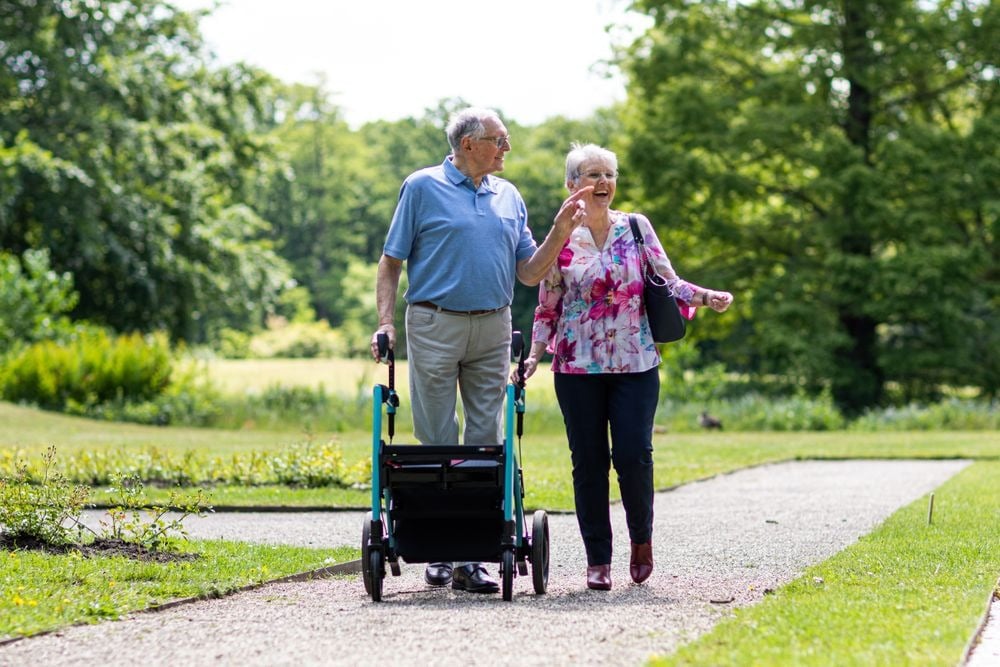
Tai chi may also help the brain process information about body position and balance while coordinating an appropriate response to changes in stability. Research has found that tai chi can reduce fall risk among older adults, particularly when practiced consistently.
Beyond balance, tai chi has also been associated with improvements in cognitive function and mood. That combination of physical and mental benefits may explain why it has become such a popular activity among older adults.
Final Thoughts
Everything about modern life seems to tell you to move faster, do more, and push harder. Tai chi walking teaches you to do the opposite. By slowing down and paying attention to how you move, you can give your body and mind a chance to reset.
Tai chi can be a useful form of exercise for people of all ages and fitness levels. You don’t need a gym membership or expensive equipment, as these movements can be done at home or outdoors.
Start with 10 to 15 minutes, focusing on moving slowly, breathing comfortably, and staying aware of each step. With regular practice, these few quiet minutes may become one of the most enjoyable parts of your day.