Lifting Weights? 5 Protein Timing Tips, Ranked by How Much They Matter
 5
Mins Read
Most gym advice about protein timing is louder than the evidence behind it. The 30-minute “anabolic window” after a workout has been repeated so often that it sounds like a rule. The research doesn’t back it up.
When you eat protein still counts for something. A few timing habits have real research behind them. Others have very little. Below are five, ranked from the one that matters most for building muscle to the one that matters least.
You’ll also like:
- 23 Best High Protein Foods for Muscle Gain and Fat Loss
- How to Build Your Muscles After 70 by Working Out Just Once a Week
- 5 Simple Bodyweight Exercises to Stay Strong After 50
1. Hit Your Daily Total First
Strictly speaking, this one sits outside protein timing. It ranks first anyway, because nothing else on this list works without it.
The International Society of Sports Nutrition (ISSN) puts the daily range at 1.4 to 2.0 grams of protein per kilogram of body weight for most people who exercise. To find your range, multiply your weight in kilograms by 1.4, then by 2.0. If you weigh yourself in pounds, divide by 2.2 first.
Total beats the clock. In an eight-week trial in resistance-trained men, everyone ate the same high-protein diet. One group took their protein right before and after training. The other took it three hours before and three hours after. Both groups gained muscle and strength, and the researchers found no significant difference between them. It was a small trial, with about 15 men per group finishing, so it can’t prove the two approaches are identical. The researchers concluded that total daily intake looked like the main driver of muscle growth.
The same ISSN paper makes a related point. The extra benefit of timing protein around workouts seems to shrink for people already eating at least 1.6 g/kg a day.
Get the total right, and you’ve done most of the work.
If you have kidney disease, or a doctor has told you to limit protein, talk to them before raising your intake.
2. Spread It Across Your Meals
Once your total is covered, the split starts to matter.
The ISSN recommends a flatter shape than most people’s plates: servings of roughly 20 to 40 grams, or about 0.25 g per kilogram, spaced evenly every three to four hours.
Research in older adults points the same way. Quebec’s NuAge study followed a large group of older men and women over several years. Those who spread their protein evenly across the day had more muscle strength than those who loaded it into dinner.
Even distribution wasn’t linked to better mobility, though. NuAge recorded what people already ate rather than changing their diets, so it can show a link but can’t prove cause. It was funded by the Dairy Farmers of Canada.
A trial at the University of Limerick went a step further. It added protein at breakfast and lunch for several months in healthy middle-aged and older adults. The protein group gained lean tissue. The control group didn’t. A Tufts researcher noted a catch: the protein group also ate more protein in total, so the even split may not be what made the difference. He added that this was probably the less likely explanation, since the volunteers were already eating the recommended amount.
Two studies, one direction. Neither is the final word.
Older Lifters May Need Bigger Servings
The ISSN says the ideal serving size per meal depends partly on age. NuAge’s lead author, Dr. Stéphanie Chevalier, said older people need more protein per meal because their muscles need a bigger boost of amino acids to build new protein.

If you’re an older lifter, ask your doctor or a dietitian whether your meals should sit toward the upper end of that 20 to 40 gram range.
3. Put Real Protein in Breakfast
Breakfast is often where the gap sits. The NuAge researchers found many older North Americans eat most of their protein at lunch and dinner, and a Japanese team describes low-protein breakfasts as common in Japan too.
That Japanese study, from Waseda University, looked at 219 adults aged 65 and older. Women who ate more protein at breakfast than at dinner had stronger handgrips. In men, the difference didn’t show up.
The same team then ran a 12-week trial in 40 older women who ate little protein in the morning. Women who added a 10-gram milk protein drink at breakfast gained more muscle in their arms and legs than women who took the same drink in the evening.
Hold that loosely. The trial was small, with about ten women in each group, and it included only women over 65. Meiji, the dairy company that supplied the drink, helped fund the work.
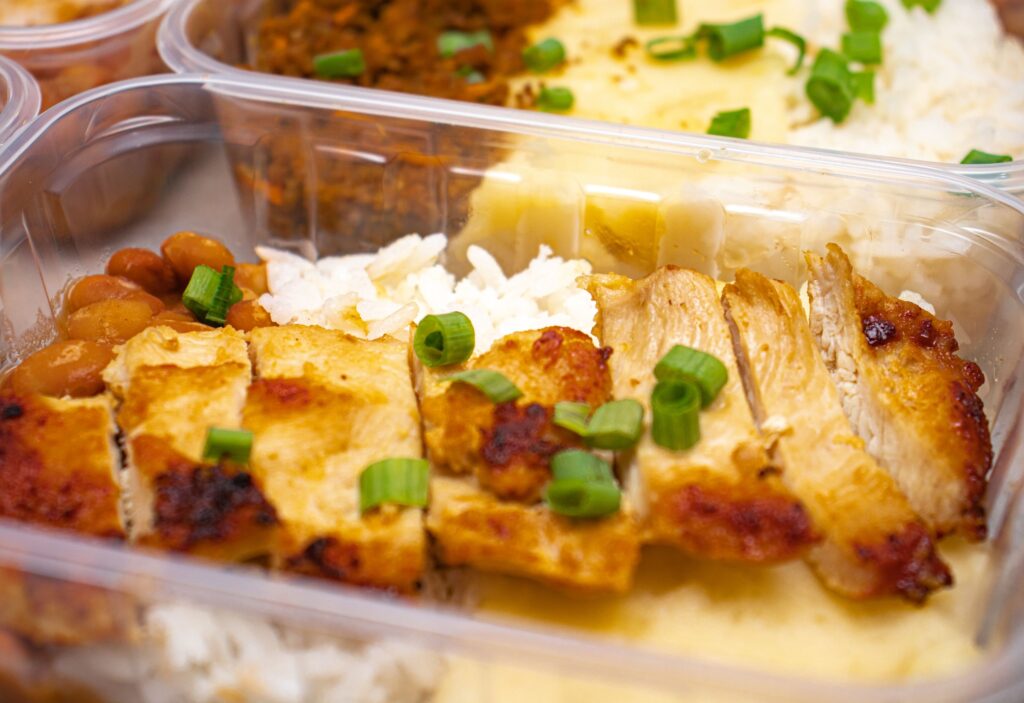
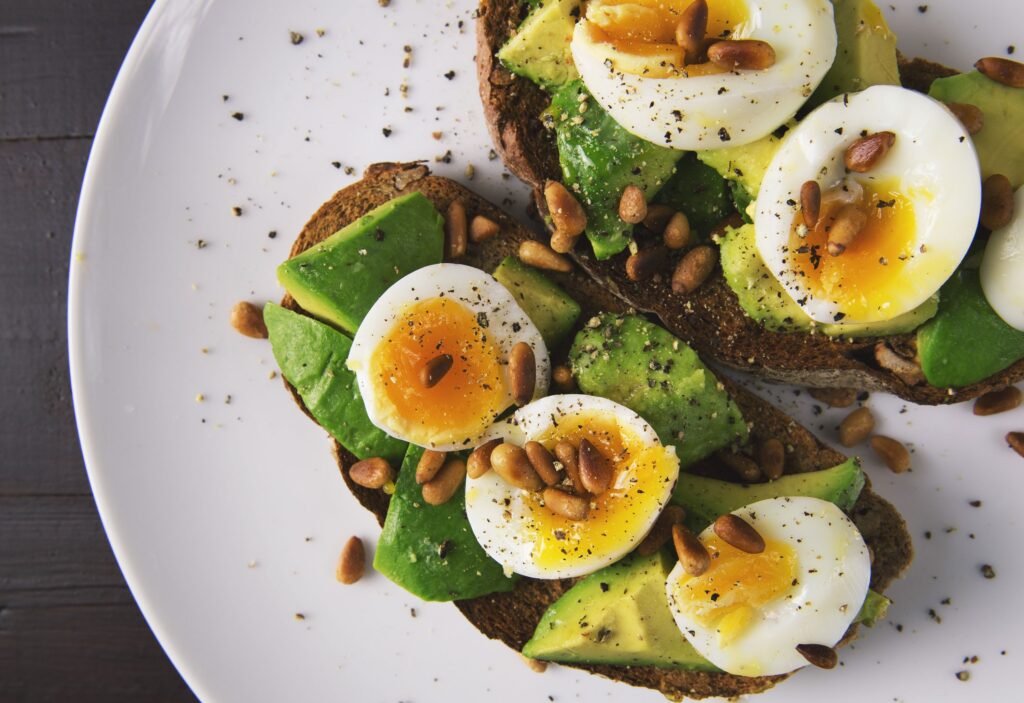
Still, the fix is cheap. Eggs, Greek yogurt, cottage cheese, tofu, or last night’s chicken all turn a carb-only breakfast into a protein meal. You don’t need a shake.
4. Eat Within a Few Hours of Training, Before or After
This is the protein timing rule most lifters have heard, and it has plenty of room to relax.
A 2025 review in the journal Nutrients pooled five trials that compared protein taken just before training with protein taken just after. Timing made no meaningful difference to lean mass. The authors concluded that protein taken anywhere from 15 minutes before a session to about two hours after didn’t significantly change strength or body composition overall, with one possible exception.

The ISSN position stand adds context. The muscle-building effect of a workout lasts at least 24 hours, though it fades as time passes. It also suggests there’s less need to rush protein after training if you ate a protein meal less than five hours before your workout ends.
So pick what suits your stomach. If lifting on a full stomach makes you queasy, eat afterward. If you train early before eating anything, don’t wait long to have breakfast.
The Leg Day Exception
The 2025 review turned up one oddity. Protein taken before training led to bigger leg press strength gains than protein taken after. Chest press showed no difference.
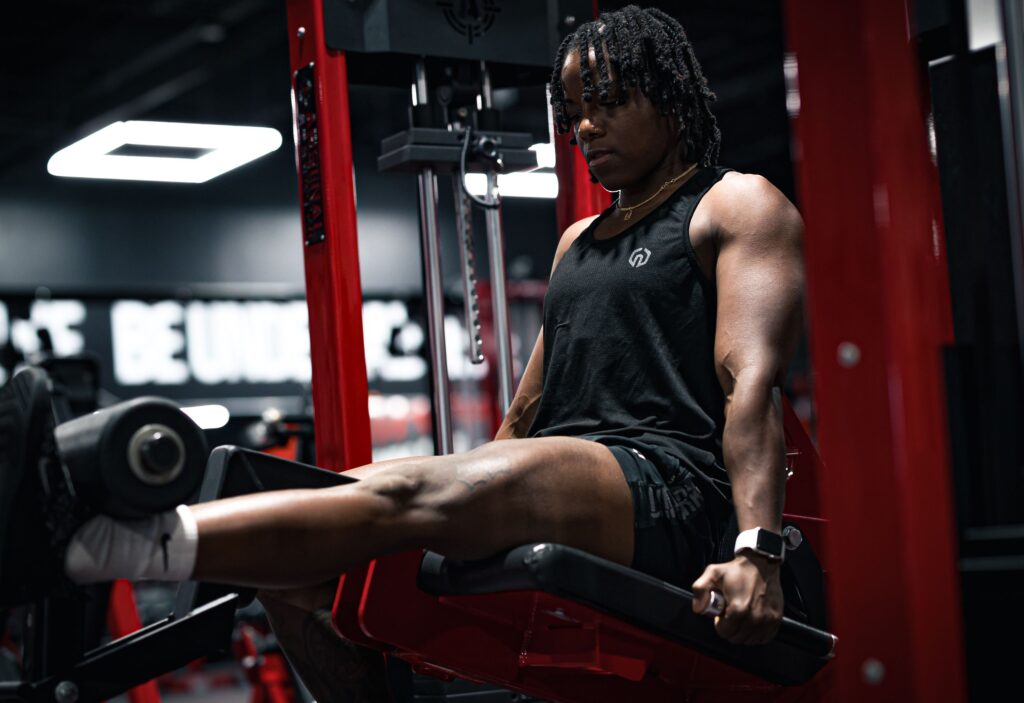
Don’t build your week around it. That result came from just two small studies, and the authors rated the certainty of the evidence as very low and said it should be interpreted carefully. Still, having your protein shortly before a leg session costs nothing. If it suits you, try it.
5. Add a Protein Snack Before Bed
This is the weakest protein timing tip on the list, which is why it ranks last.
According to the ISSN, 30 to 40 grams of casein protein taken before sleep increases overnight muscle protein synthesis. Casein is the slow-digesting protein in dairy. That finding comes from overnight measurements, and the ISSN notes that only a few bedtime protein studies have run longer than four weeks.
The longer-term evidence is mixed. The ISSN describes a 12-week study in which young men who took casein before bed every night gained more muscle and strength than men on a placebo.

The catch: the protein group also ate more protein in total, roughly 1.9 g/kg a day against 1.3 g/kg. When a different study matched total protein and compared casein in the morning with casein in the evening, it found no significant difference.
Read together, a bedtime snack may help mostly by adding to your daily total.
If you struggle to reach your number, or you finish dinner early, a bowl of cottage cheese or Greek yogurt before bed is an easy way to close the gap. If you already hit your total, don’t force it.
Final Thoughts
Protein timing deserves a smaller place in your routine than the gym folklore suggests. Get your daily total right first, then spread it across your meals and make breakfast count. The window around training is wide enough that you can eat before or after, whichever feels better. A bedtime snack is optional.
None of this replaces the training itself. The ISSN describes protein and resistance exercise as working together, so the plan that works is the one you can repeat week after week. If you have kidney disease or another condition that affects how much protein you should eat, check with your doctor before making changes.