
6 Easy Morning Habits That Can Change How Your Whole Day Feels
 5
Mins Read
5
Mins Read
Most people assume that becoming a morning person requires an elaborate routine: an early alarm, a cold plunge, a green juice, an hour of meditation, and a journal filled with gratitude lists. That kind of routine sounds exhausting before you’ve even started, which is exactly why most people give up within a few days. In reality, all you need are a few well-placed habits.
The good news is that you don’t need a complicated system to feel noticeably better once you’re out of bed. Six small, deliberate habits are enough, and how you start your morning tends to shape your energy, focus, and mood for the rest of the day, sometimes even how well you sleep that night. You can add these habits one at a time, at your own pace, without turning your mornings into a second job.
1. Don’t Hit Snooze
The snooze button feels harmless, but it may be one of the worst habits for starting your day. Repeatedly drifting in and out of sleep for those extra nine-minute intervals doesn’t give you meaningful rest. It just leaves you groggier than if you’d gotten up the first time.

The fix starts with setting your alarm for the time you actually intend to get up, not an earlier “just in case” time you plan to snooze through. Placing your phone or alarm across the room forces you to stand up to turn it off, which already breaks the pull to stay in bed. One more unconventional trick worth trying: record a short 10- to 15-second voice memo to your future self explaining exactly why you want to get up that morning, and set it as your alarm sound. Waking up to your own voice and your own reasons tends to land differently than waking up to a generic chime.
2. Get Morning Sunlight
Within the first 30 to 60 minutes of waking up, try to get outside and let natural light hit your eyes for around 10 to 20 minutes. This doesn’t have to be a separate task. You can drink your coffee outside, take a short walk, pace around during a phone call, or do some light movement in the yard.

The detail people often miss is that outdoor light is significantly stronger than indoor light, even on a cloudy day, so sitting near a sunny window isn’t quite the same. Getting real daylight into your eyes early may help regulate your body’s internal clock, which can support steadier energy during the day and better sleep at night, something that tends to matter more as we get older.
3. Take a Brief Cold Shower
This is a really popular healthy habit, and for all the right reasons. At the end of your normal shower, turn the water to cold and stay under it for 60 to 90 seconds. Rather than gritting your teeth and trying to push through it with willpower, focus on slow, controlled breathing throughout

If a full cold shower feels like too much, start smaller: run cold water over your face and the back of your neck for about 30 seconds, then build up from there. The point isn’t to make yourself miserable first thing in the morning. It’s a small, repeatable way to practice staying calm while your body registers discomfort, a skill that can carry over into stressful moments later in the day. If you have a heart condition or other cardiovascular concerns, it’s worth checking with your doctor before adding cold exposure to your routine.
4. Move for Just 7 Minutes
You don’t need a full workout to get the benefits of morning movement. Seven minutes is enough. This can be a short bodyweight circuit, some stretching, or any activity that slightly raises your heart rate.

The reasoning behind keeping it short is simple: if your morning workout feels demanding or time-consuming, you’re far more likely to skip it. A short, easy version of exercise is much simpler to stick with, day after day, than an ambitious one you keep talking yourself out of. Consistent movement, even in small doses, is also one of the more reliable habits to support mobility and strength as you get older. It’s also worth experimenting with delaying your first cup of coffee for 60 to 90 minutes after waking, rather than reaching for it immediately.
5. Do a 5–10 Minute Brain Dump
Grab a notebook and write by hand for 5 to 10 minutes. This isn’t about producing a polished journal entry or profound insight. It’s about getting whatever is occupying your mind out of your head and onto paper: things you’re worried about, tasks you need to get done, thoughts you feel stuck on, ideas, or things you’re looking forward to.

Think of it as emptying your mental inbox before the day officially starts. Carrying around a backlog of half-formed thoughts can create a low-grade sense of overwhelm, even when you’re not consciously aware of it. A few unfiltered minutes with a pen can clear a surprising amount of that mental clutter, and some people find that writing by hand helps them think more clearly than typing does.
6. Stay Off Your Phone for the First Hour
This is probably one of the simplest habits on the list, and also the hardest one to actually follow. The idea is to keep your phone out of reach until you’ve finished your morning routine.
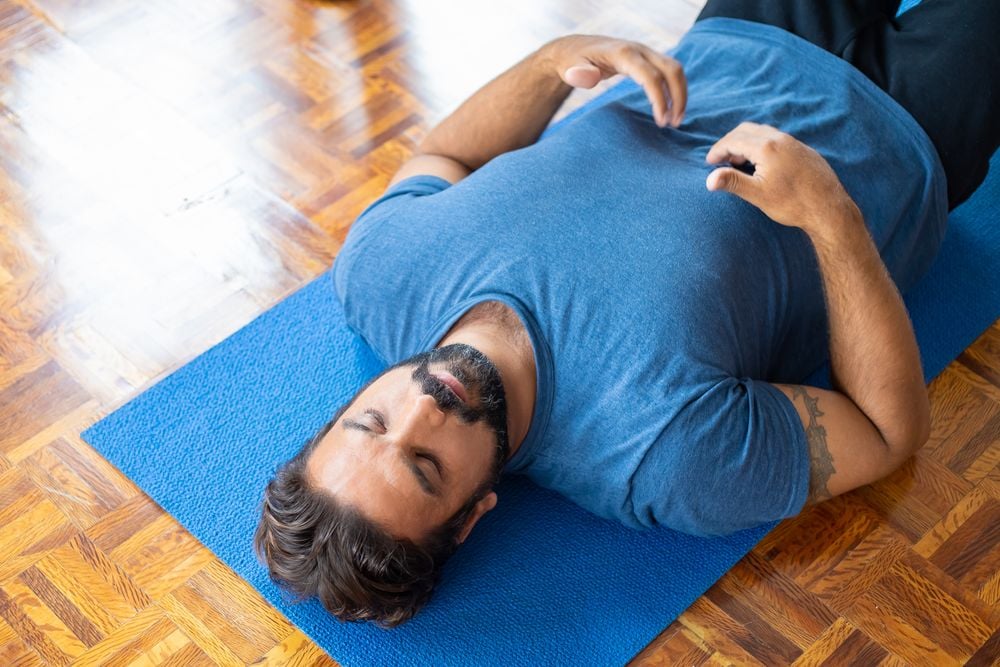
Without this boundary, most mornings look the same: wake up, check notifications, scroll social media, skim the news, and absorb everyone else’s priorities before you’ve had a chance to think about your own. Replacing that first hour with things you’ve chosen on purpose, like sunlight, movement, or journaling, changes the entire tone of the day. If a full hour feels unrealistic at first, ease into it. Try 10 minutes, then 20, then 30, working your way up to 60. The goal is to fill that time with intentional activities rather than simply sitting there resisting the urge to check your phone.
Final Thoughts
Stripped down to its simplest form, the whole routine looks like this: wake up, skip the snooze, get sunlight, take a cold shower, move for 7 minutes, journal for 5 to 10 minutes, and stay off your phone for the first hour.
None of these habits require special equipment, an early alarm, or a full lifestyle overhaul. The real key is not trying to adopt all six at once. Pick one habit, get comfortable with it for a week or so, and then add the next one. Trying to change everything overnight is usually what causes these kinds of routines to fall apart within days.
It’s also worth keeping in mind that while these habits are generally reasonable and low-risk to try, some of the science behind them, including the exact effects of cold exposure, the details of morning cortisol, and claims about “reprogramming” the brain, is often presented with more certainty than the research actually supports. Treat them as sensible, practical habits worth experimenting with rather than guaranteed fixes, and check with your doctor first if you have any underlying health conditions.