6 Reasons Women Feel Tired All the Time (and How to Check Each One)
 6
Mins Read
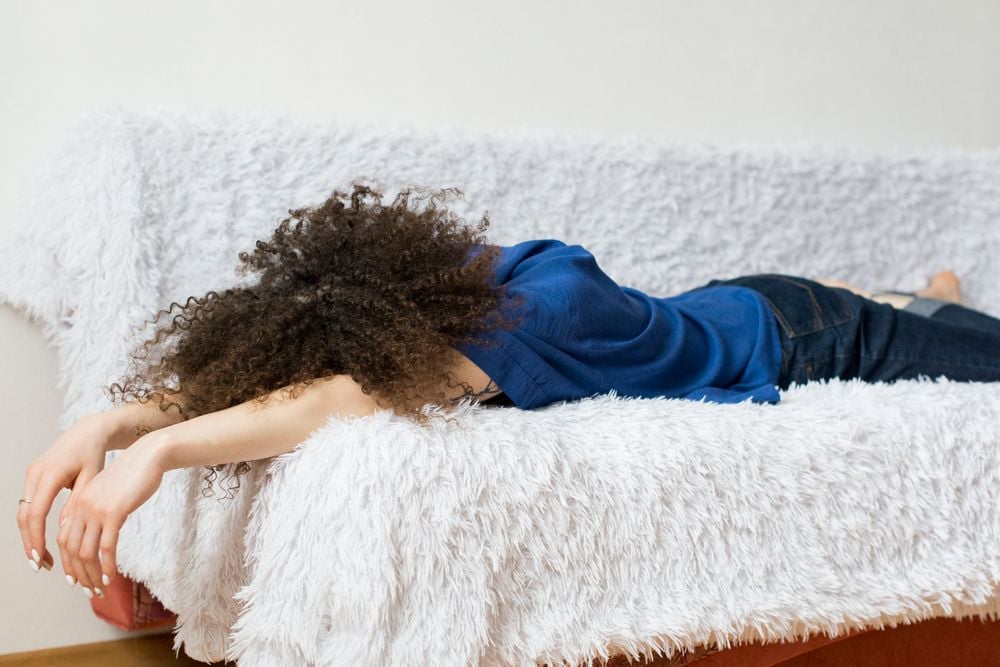
You slept for eight hours. You had your morning coffee. But by mid-afternoon, you’re running on fumes again, and you can’t work out why. If you feel tired all the time, the standard advice is to get more sleep, and for plenty of women, that advice has already been tried.
The NHS puts it plainly: tiredness you can’t explain, that has gone on for a while and isn’t improving, could be a sign of a medical condition. Below are six physical causes worth ruling out in women. For each one, you’ll find out what’s happening in your body and a practical way to check whether it applies to you. Feel free to skip straight to the one that sounds familiar.
You’ll also like:
- 6 Simple Ways to Boost Your Energy After 50
- 6 Hidden Causes of Poor Sleep Most Adults Ignore
- 5 Nutrients Every Woman Over 40 Should Prioritize for Better Health
1. Your Iron Stores Are Low, Even if Your Blood Test Looked Normal
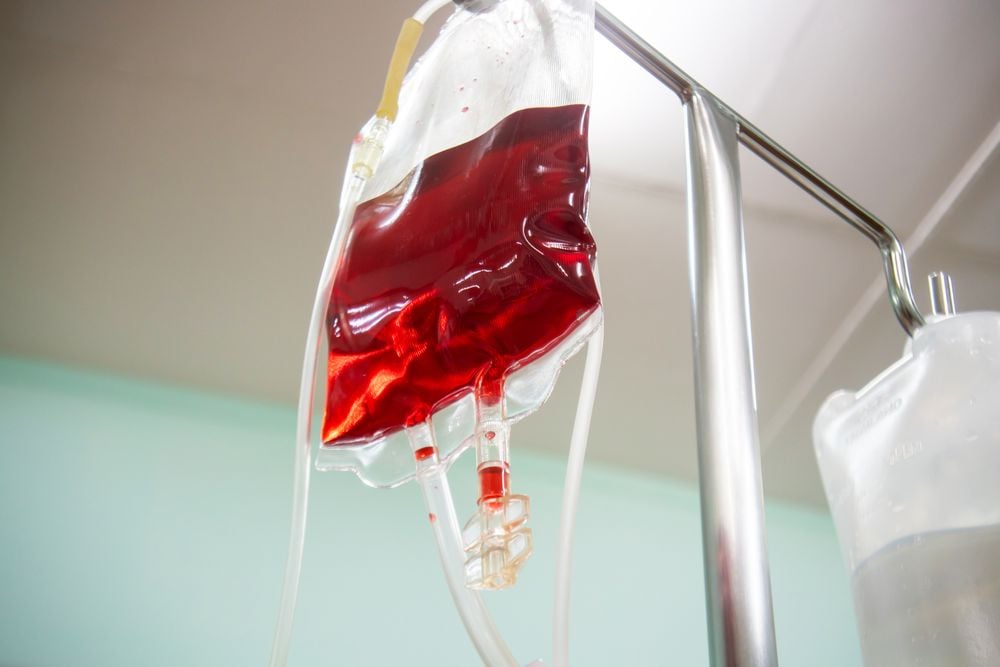
Iron is what lets your red blood cells carry oxygen to your muscles and brain. When there isn’t enough of it, everything can feel like more effort.
Here’s the catch. The most common blood test for anaemia looks at haemoglobin, the oxygen-carrying protein in your red blood cells. Your body also keeps a reserve of iron, measured by a separate marker called ferritin. Can low ferritin alone leave you tired? Two trials looked at women whose haemoglobin was in the normal range but whose ferritin was low.
In a randomized trial published in CMAJ, researchers recruited 198 women aged 18 to 53 through 44 family doctors in France. Every woman complained of fatigue, had haemoglobin above 12.0 g/dL, and had a ferritin level below 50 µg/L. Over 12 weeks, fatigue scores fell by 47.7% in the group given iron, compared with 28.8% in the placebo group.
A newer, smaller trial points the same way. Researchers in Lahore gave iron or a placebo to 164 women aged 18 to 45 with haemoglobin above 11 g/dL and low ferritin, and reported that fatigue scores dropped in the iron group after two months.
How to check
Ask your doctor for a ferritin test, by name, alongside a full blood count. When the results come back, ask for the actual number and what it means for someone with your symptoms.
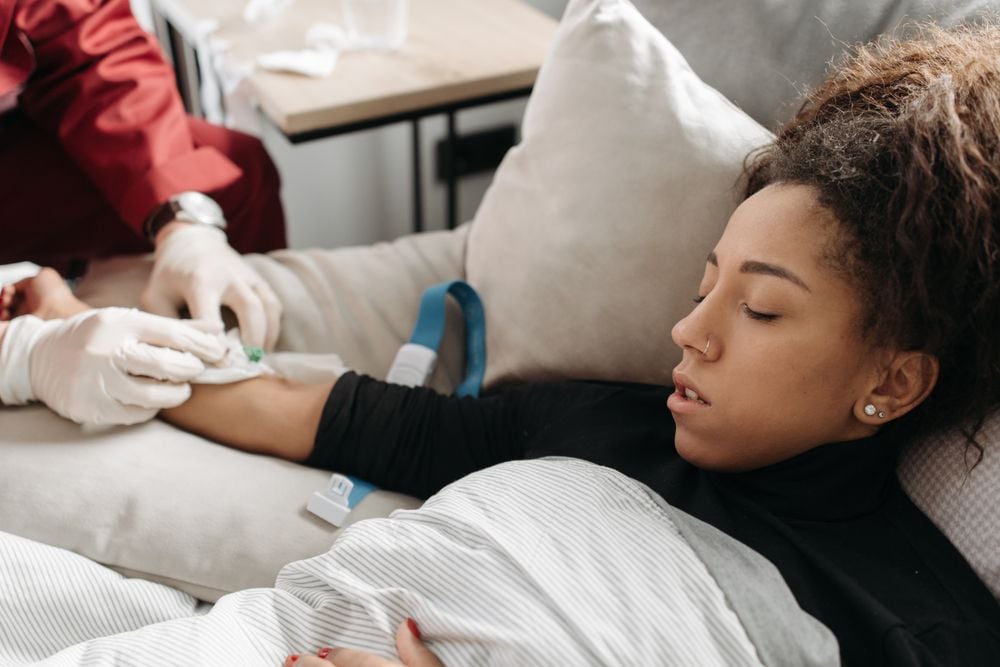
Don’t start iron supplements on a hunch. Whether you need them, and how much, is a decision for your doctor once the test is analyzed.
2. Your Periods Are Heavier Than You Realize
If your periods have always been heavy, it’s easy to assume that’s just how they are.
That matters because the NHS lists heavy periods as a very common cause of iron deficiency anemia, which links straight back to the first reason on this list. If you’re tired all the time and your periods have always been heavy, the two may be connected. The NHS even lists feeling tired or short of breath as one of the signs of heavy periods.

According to the NHS, you may have heavy periods if you:
- Change your pad or tampon every 1 to 2 hours
- Need two types of period products at once, such as a pad and a tampon
- Bleed for more than 7 days
- Pass clots larger than about 2.5cm, the size of a 10p coin
- Bleed through to your clothes or bedding
How to check
Track your next two cycles. Note how often you change protection, how many days you bleed, and whether you see large clots. Take that record to your GP. For unexplained tiredness, the NHS says you may need blood tests to check for anemia.
Also see a GP if you bleed between periods or after sex, or have severe pain during your periods.
3. Your Thyroid Has Slowed Down
Your thyroid is a small gland at the front of your neck. The hormones it makes help set the pace your body runs at.
When it underproduces, the result is a condition called hypothyroidism, and fatigue is near the top of the symptom list. The NHS notes that the main cause in the UK is Hashimoto’s disease, an autoimmune condition that is most common in women and usually starts between the ages of 30 and 50.

It’s easy to miss. Symptoms tend to arrive slowly and get worse over time, so each one gets explained away on its own. Watch for this cluster alongside the tiredness:
- feeling cold more than usual
- weight gain
- constipation
- dry skin, dry hair or hair loss
- low mood
- irregular or heavy periods
How to check
This is a blood test. Your GP can check your levels of thyroid-stimulating hormone (TSH) and thyroxine (T4). Mention it if anyone in your family has had a thyroid condition, since that makes an underactive thyroid more likely.
4. Sleep Apnoea That Doesn’t Sound Like Snoring
According to the NHS, sleep apnoea happens when your airways become too narrow while you are sleeping, so your breathing stops and starts. Signs at night include loud snoring, gasping or choking noises, and waking up a lot. During the day, the NHS lists feeling very tired and having a headache when you wake up.
Snoring and gasping are the signs most people know. But in women, they don’t always come first.
A small study from a sleep unit in Coimbra, Portugal, published as a letter in the journal Pulmonology, looked at 189 adults aged 30 to 50 with suspected sleep apnoea, most of them men. The men more often had breathing pauses that someone else had noticed. Women more often reported trouble falling asleep and unrefreshing sleep. About half the women woke with morning headaches, compared with roughly a quarter of the men.
So if you’re tired all the time and your “insomnia” comes with morning headaches and a body that never feels rested, it’s worth asking a different question.
How to check
Ask anyone who shares your room whether you snore, snort, or seem to stop breathing. Keep a short log of how you feel on waking, including headaches. Take both to your GP, who can refer you for a sleep study if needed.
5. Perimenopause Is Breaking Up Your Nights
Perimenopause is the stretch before your periods stop, when your hormone levels start to shift. Typically, it doesn’t announce itself.
According to the NHS, one of the first signs is usually a change in your periods: they may come more or less often, and bleeding may get heavier or lighter. Sleep problems are common too, especially if you also have night sweats. Brain fog and low mood tend to feel worse when you’re already very tired.
Poor sleep matters here because the NHS lists not getting enough sleep and hormonal changes such as menopause among the common causes of tiredness.
The NHS also points out that hormonal contraception can make it harder to tell whether you’ve reached perimenopause, because it affects your periods.
How to check
Track two or three cycles. Write down your period dates and flow, any night sweats or hot flashes, and how well you slept. Then book a GP appointment. You can go simply to ask what your options are, and the NHS advises contacting a GP if your periods are getting heavier rather than lighter.
6. Drinking Is Costing You the Second Half of the Night
Alcohol can make it easier to fall asleep; however, the trouble comes later.
In a 2011 study led by J. Todd Arndt of the University of Michigan, 93 healthy adults in their twenties, 59 of them women, had their sleep monitored overnight after drinking enough to become intoxicated, and again after a placebo. Alcohol increased deep sleep in the first half of the night and disrupted it in the second half, with more time awake. The disruption was greater in women, who slept less and woke more often and for longer than the men. The researchers suggested this may be partly because women’s alcohol levels fell faster through the night.

That study looked at drinking to the point of intoxication, not a single glass. Still, the NHS includes “do not drink too much alcohol” in its own advice for tiredness.
How to check
If you’re tired all the time and you drink most evenings, try two weeks off, or cutting back. Each morning, rate how rested you feel on a scale of 1 to 10, then compare it with two normal weeks.

If you drink heavily or think you may be dependent on alcohol, don’t suddenly stop. NHS guidance warns that stopping suddenly can cause serious withdrawal symptoms, and advises speaking to a GP or local alcohol service first.
Final Thoughts
If you’re tired all the time, more sleep is only one possible answer. Low iron stores, heavy periods, a slow thyroid, sleep apnoea and perimenopause can all drain your energy without making much noise, and for most of them the next step is a blood test, a period or symptom diary, or a conversation with your GP.
Start with whichever reason sounds most like your current situation, and take your notes to a GP. The NHS advises seeing one if you’ve felt tired for a few weeks and don’t know why, if it’s affecting your daily life, or if it comes with other symptoms such as weight loss or mood changes. If there’s any chance you’re pregnant, mention that too, since pregnancy can cause tiredness on its own.