Why Sitting Cross-Legged Gets Harder With Age — And How Pilates Can Help
 4
Mins Read
4
Mins Read
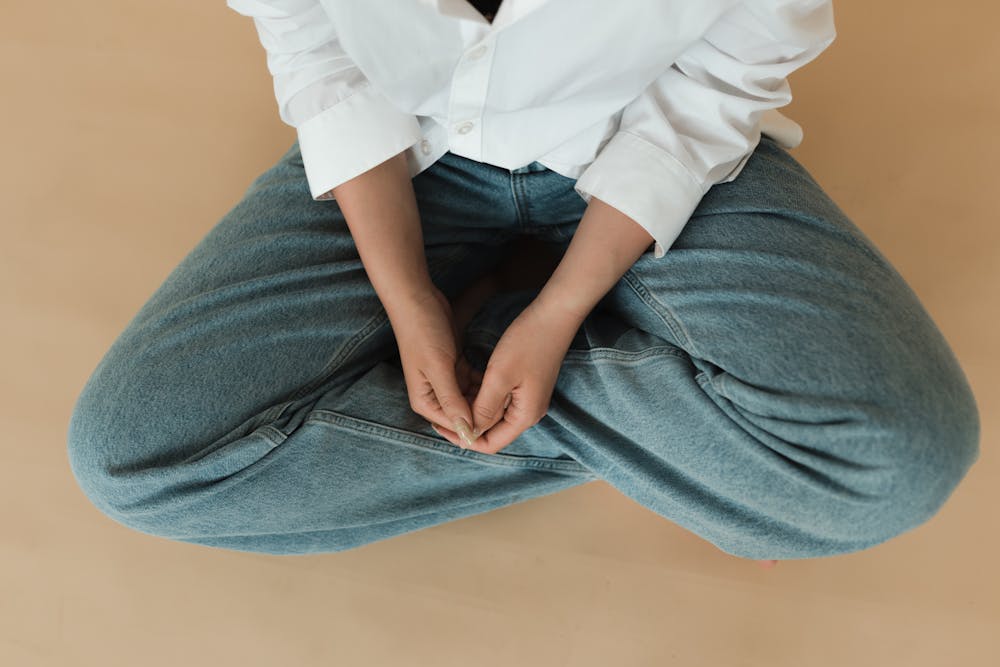
Have you ever tried to sit cross-legged and found that your knees are pointing toward the ceiling instead of the floor? This is your hips sending you a clear message. Being unable to sit cross-legged can limit your mobility and comfort during certain activities. This is where Pilates comes in.
Quite a few meditation and yoga poses involve sitting cross-legged. It’s also a great way to sit during picnics or when doing activities on the floor. The inability to sit cross-legged comfortably is one of the most common and overlooked signs of restricted hip mobility.
Why Sitting Cross-Legged Is So Hard for Most Adults
Struggling to sit cross-legged is more common than you think. Many people assume it’s just a result of age. But aging doesn’t automatically mean you’re losing mobility. There are many exercises and movements recommended for healthy aging. Almost every adult who sits at a desk for hours struggles with this.
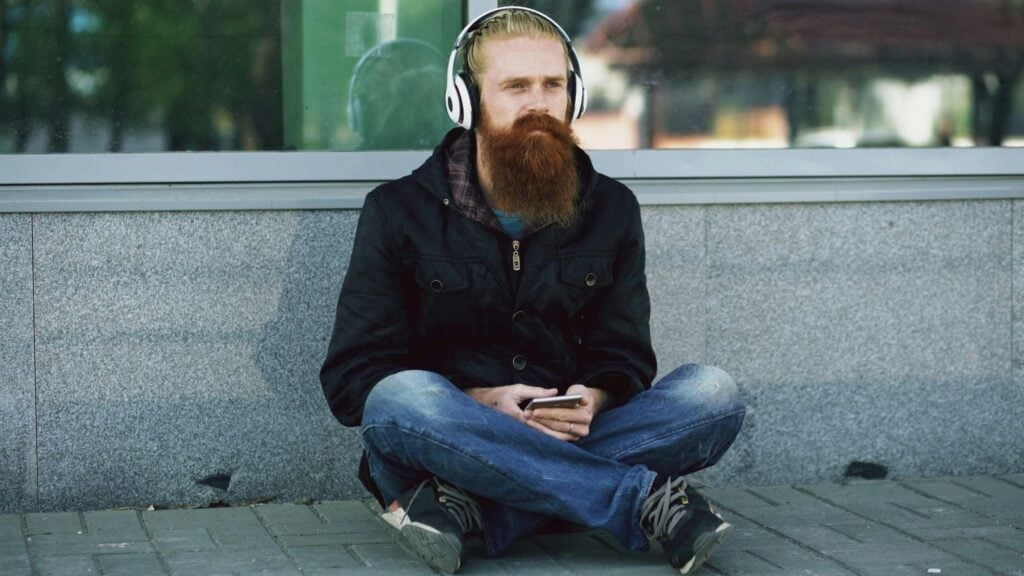
Sitting cross-legged requires a different range of movement than most daily activities. It demands full external rotation of the hips. Our hips aren’t used to fully turning outward because most daily movements don’t require them to. Since this ability isn’t used often, it gradually fades. You may not notice it until one day you try to sit cross-legged and can’t.
The Real Reason Your Hips Are So Tight
Most people try to fix this issue with flexibility exercises. They start practicing yoga sequences, hoping it will make a difference. But tight hips aren’t just a matter of flexibility. It’s usually a mixture of too much sitting, muscle weakness, and lost movement patterns.
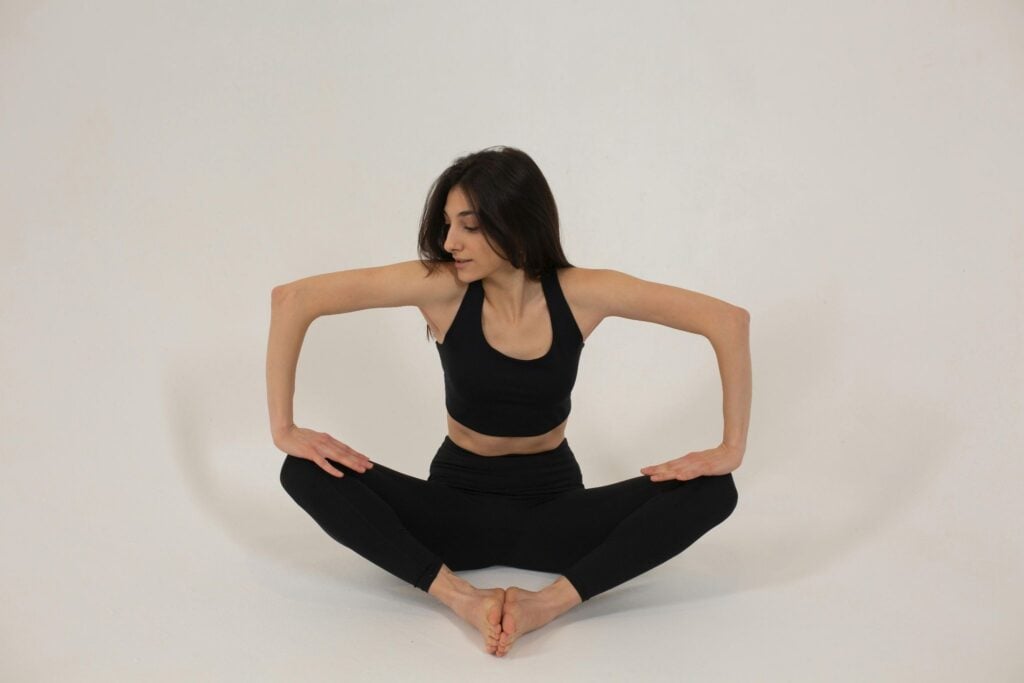
The body adapts to the positions it spends the most time in. Sitting for long hours affects how your muscles function. While there are many exercises for people who sit all day, they generally don’t directly target the hips. Sitting cross-legged requires multiple muscles in the hips and pelvic region to work together. If even one of these is tight, the position becomes uncomfortable.
Pilates Moves for Opening Tight Hips
There are specific Pilates moves designed to help open up your hip and pelvic muscles. A Pilates routine is great for staying mobile well into old age. Pilates approaches hip mobility more comprehensively, helping produce faster, longer-lasting results than other exercises.
1. Supine Knee Drops
This warm-up move is the best way to start any hip-opening session. Before doing anything challenging, you need to warm up the joint and gently signal to your nervous system that it’s safe to open up.
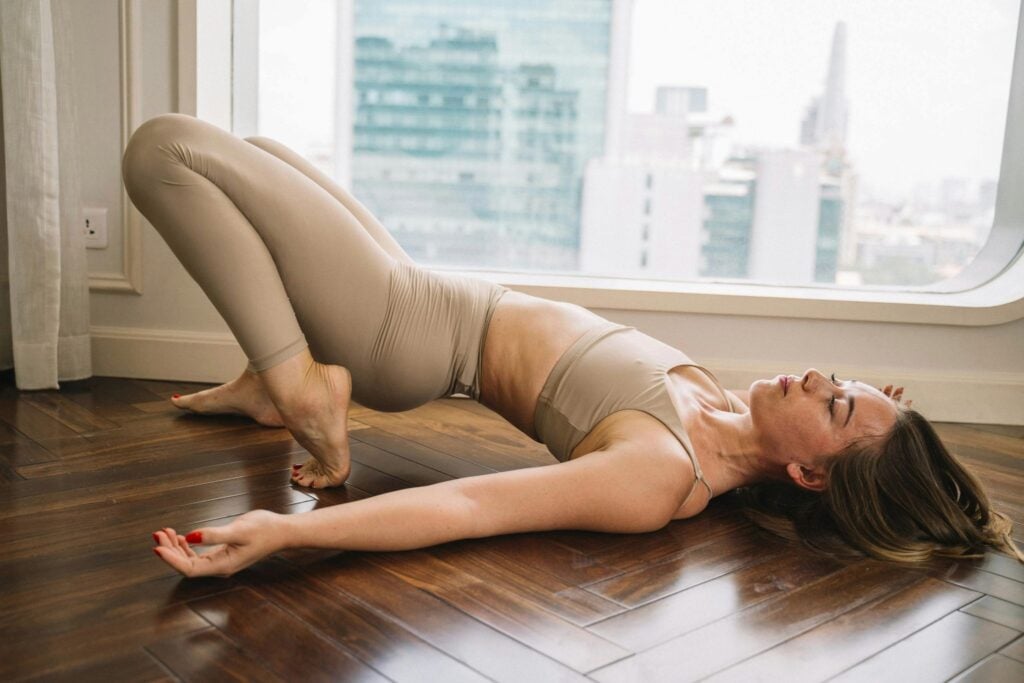
Begin by lying on your back with your knees bent and feet hip-width apart on the floor. Anchor your shoulders to the floor before lowering your knees toward one side. Slowly bring your knees back to center, then lower them to the other side. Repeat this motion multiple times as you breathe deeply.
2. The Mermaid
Now that you’re done with the warm-up, it’s time to start opening up your hips. Each of these movements targets a different layer of restriction that prevents you from sitting cross-legged. The mermaid opens the hips and lengthens the obliques, moving you through a full range of motion.
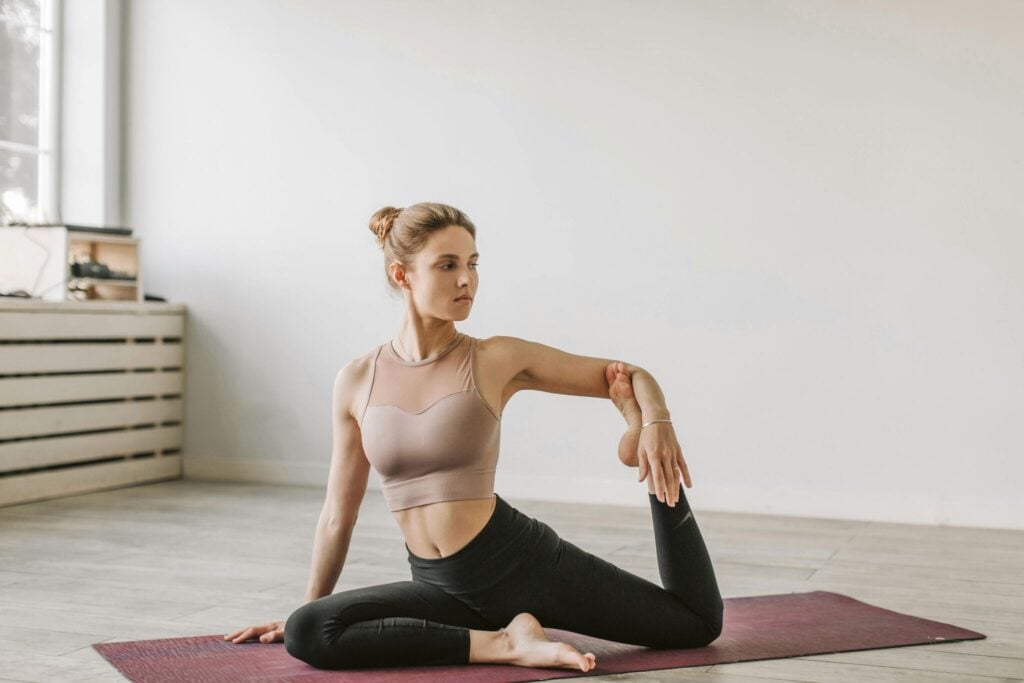
Start by bringing your legs into a Z or a 90/90 position. Both knees are bent, with one leg running parallel across the front of your body and your other leg pointing behind you. Extend your arms out to the sides at shoulder height. When ready, bend your torso to the left and place your left forearm on the floor. Reach your right arm overhead toward the left. Hold. Repeat on the opposite side.
3. Runner’s Lunge
The runner’s lunge is a dynamic move meant to stretch the hip flexors and quads. Start in a high plank position on your hands and toes. Your body should form a straight line from head to heels.
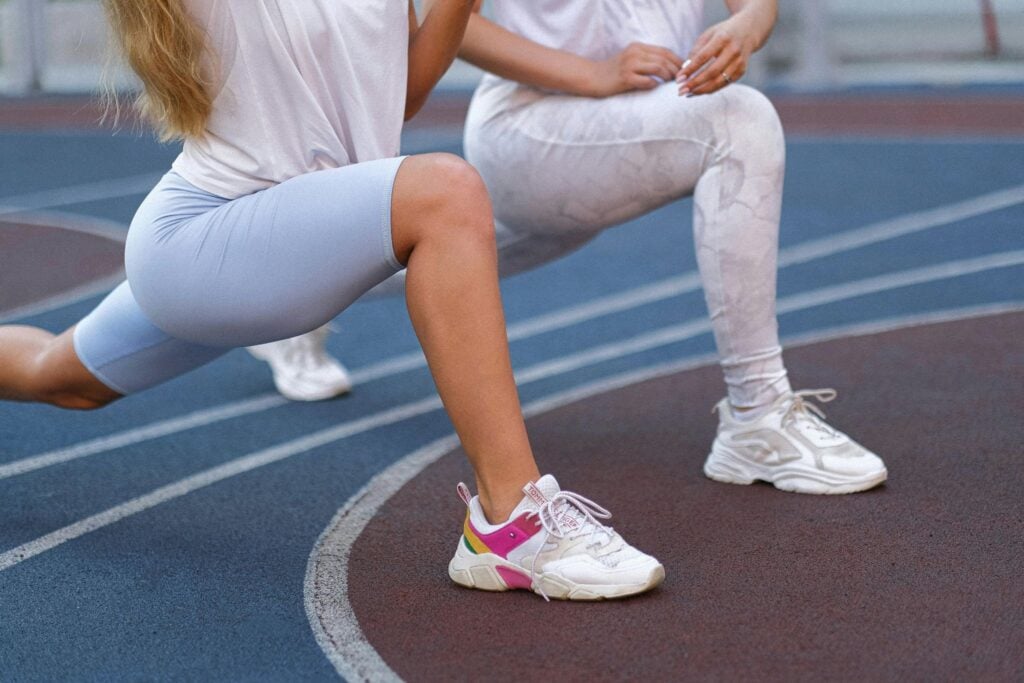
Step your right foot forward, placing it outside of your right hand. Lift your chest and lower your hips. You should feel a stretch through the front of your left leg. Hold. Return to the starting position and repeat on the opposite side.
4. Figure Four Stretch
The figure four stretch targets the glutes and deep hip rotators. These muscles are responsible for the external rotation of the hip.
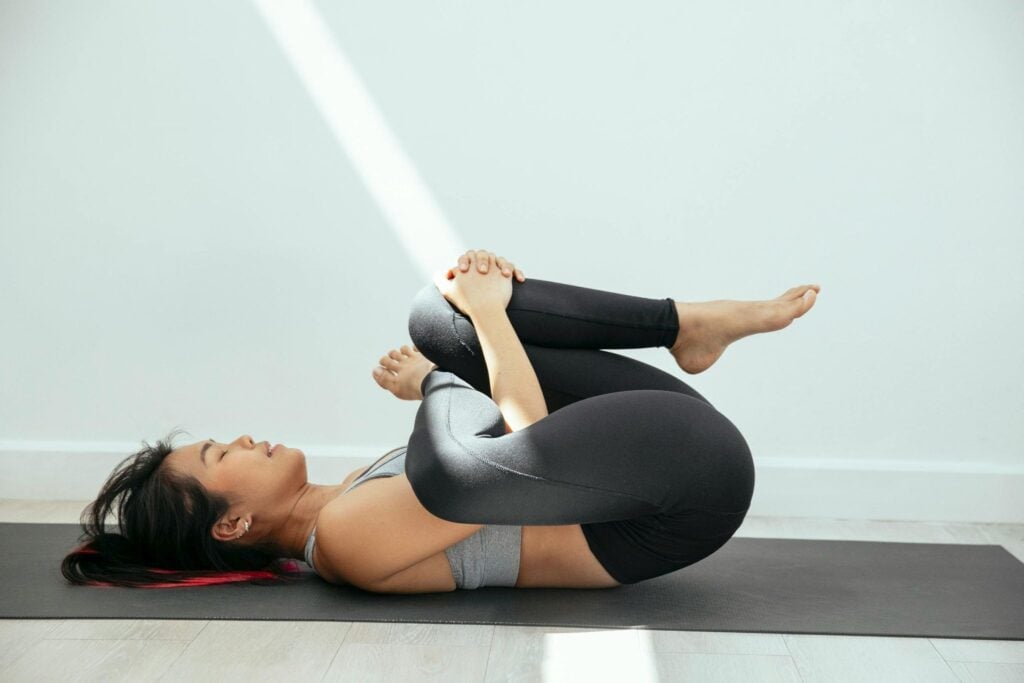
Lie on your back and bend both knees. Cross your right ankle over your left knee. Flex both of your feet, then gently press your right knee away from you. Lift your left foot off the floor and draw both legs toward your chest for a deeper stretch.
5. The Clamshell
Stretching opens the hips, but strength is what keeps them open. The clamshell is a great way to strengthen the hip. It’s also a great pilates move altogether.
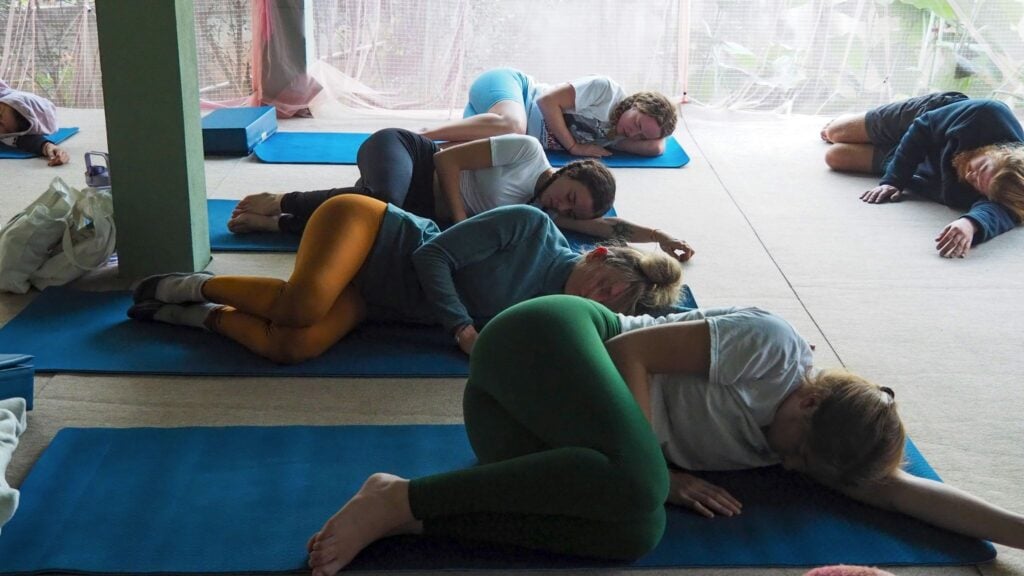
Lie on your side with your hips and knees stacked and bent at 90 degrees. Keep your feet together as you slowly rotate your top knee toward the ceiling. Then lower it back down with control. Repeat this movement 15 times on each side.
Final Thoughts
Having tight hips is not a permanent condition. It’s more in your control than you think. You can reverse or prevent it through these five movements. A regular Pilates routine like this can reduce hip tightness and increase strength.
None of these exercises requires you to stay on the mat all day. Doing Pilates for even 10 minutes a day can do wonders for your body. Before you know it, you’ll be closer to being able to sit comfortably cross-legged.