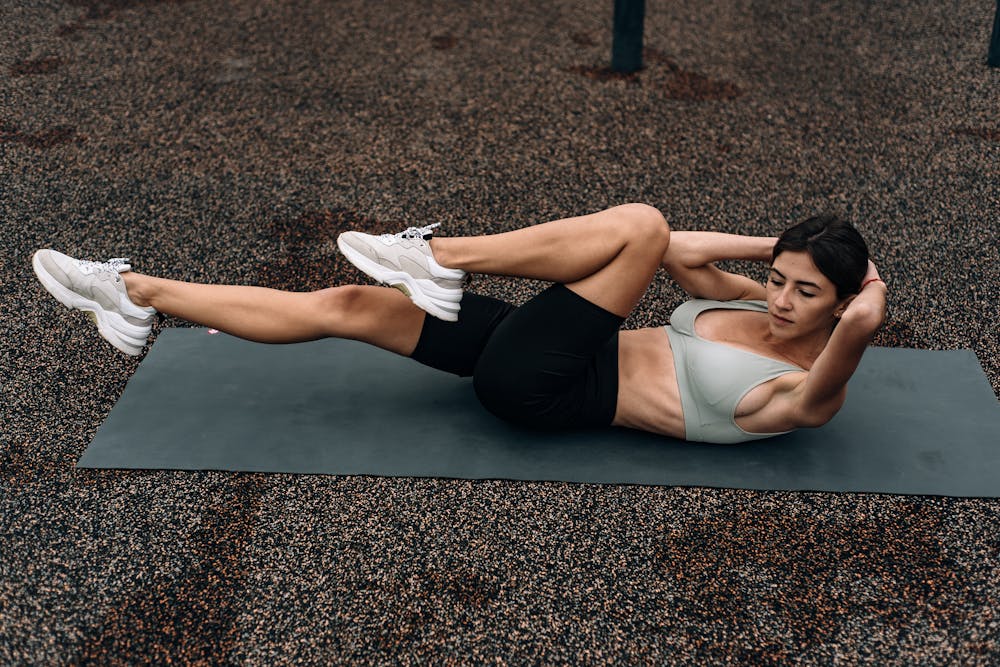
7 Simple Core Strength Exercises That Protect Your Back and Improve Balance After 40
 3
Mins Read
3
Mins Read
Core exercises build more than just a six-pack, and visible abs are not the only sign of a resilient core. This misconception leads people to either overtrain their core or avoid it altogether. Core strength hinges more on stability, balance, and control than looks. Having a healthy core makes day-to-day activities safer and easier.
A bulletproof core does not require fancy equipment or expensive gym memberships. All you need is a yoga mat and space to get started. Maintaining a consistent routine of simple exercises can lead to noticeable results. Core training should feel supportive. When approached correctly, it can transform your life surprisingly quickly.
Why Building a Strong Core is Important
Your core is involved in every movement you make. It stabilizes your midsection and helps transfer force between your upper and lower body. A strong core supports good posture and makes everyday activities like walking or lifting groceries feel easier. Efficient core control is also believed to help during childbirth by reducing labor time and supporting recovery.
When the midsection is weak, the surrounding muscles tend to overcompensate, leading to discomfort. Over time, this increases the risk of injury, especially during load-lifting or exercise. One of the core’s most important roles is protecting the spine. For those with desk jobs, the harmful effects of sitting all day can be counterbalanced by creating a sturdy base.
Here are seven exercises to help build your core.
1. Dead Bug
This exercise is popular among frequent exercisers and is one of the safest ways to stabilize your core strength while moving your arms and legs. It involves alternating limb movements while keeping your midsection and lower back glued to the floor.
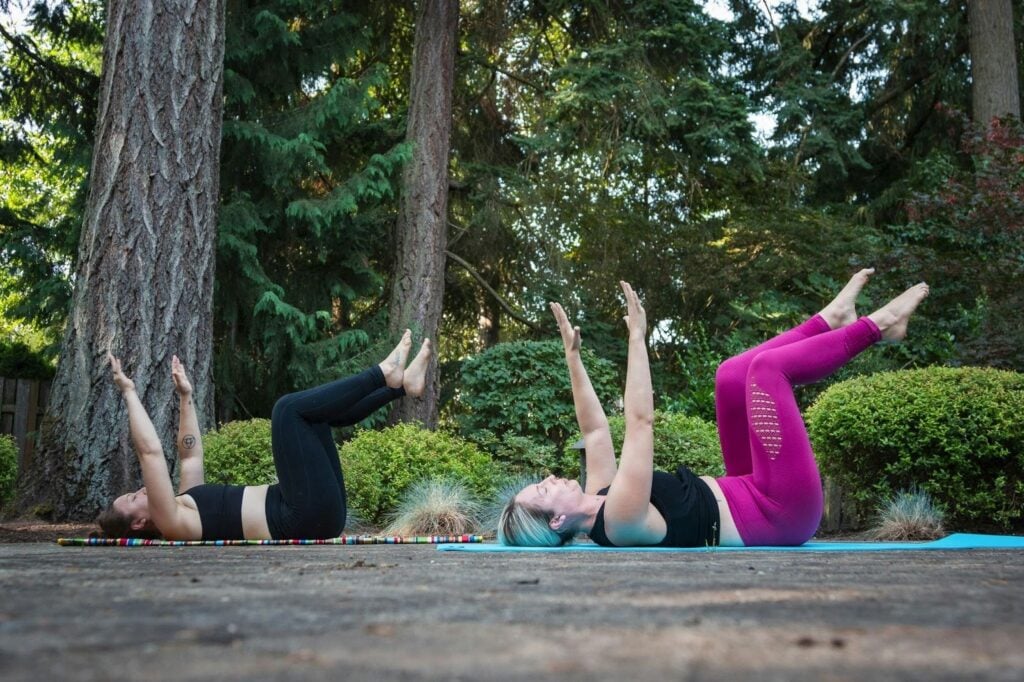
Dead bugs train the abdominal muscles that support posture and alignment. This exercise is helpful for beginners, as it reinforces proper alignment without stressing your lower back. One helpful tip for engaging your core is to pretend you’re about to sneeze.
2. Bird Dog
This gentle exercise effectively trains your core. It’s done by getting on all fours, extending one arm and the opposite leg fully, while keeping the torso steady. The goal is to resist unnecessary movement, such as rocking side to side, while maintaining balance.
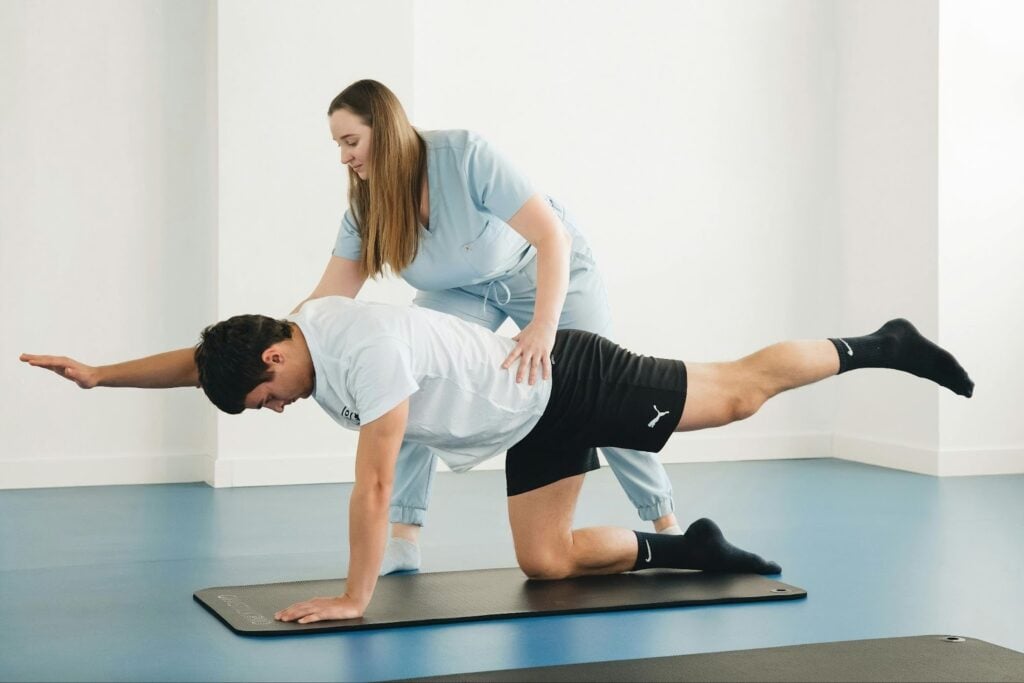
Bird dogs greatly improve your coordination. By carefully practicing which limb to stretch out, you learn greater control over your body. This can feel especially relieving for those dealing with joint stiffness or tightness. Slow, controlled movements help you master stability.
3. Glute Bridge
Glute bridges are excellent for training the entire midsection, including the glutes and hamstrings. In this exercise, hip mobility and core stability work closely together. This exercise relieves tension while improving core strength. Weak glutes often shift their workload to the lower back, causing aches and pain throughout the day.
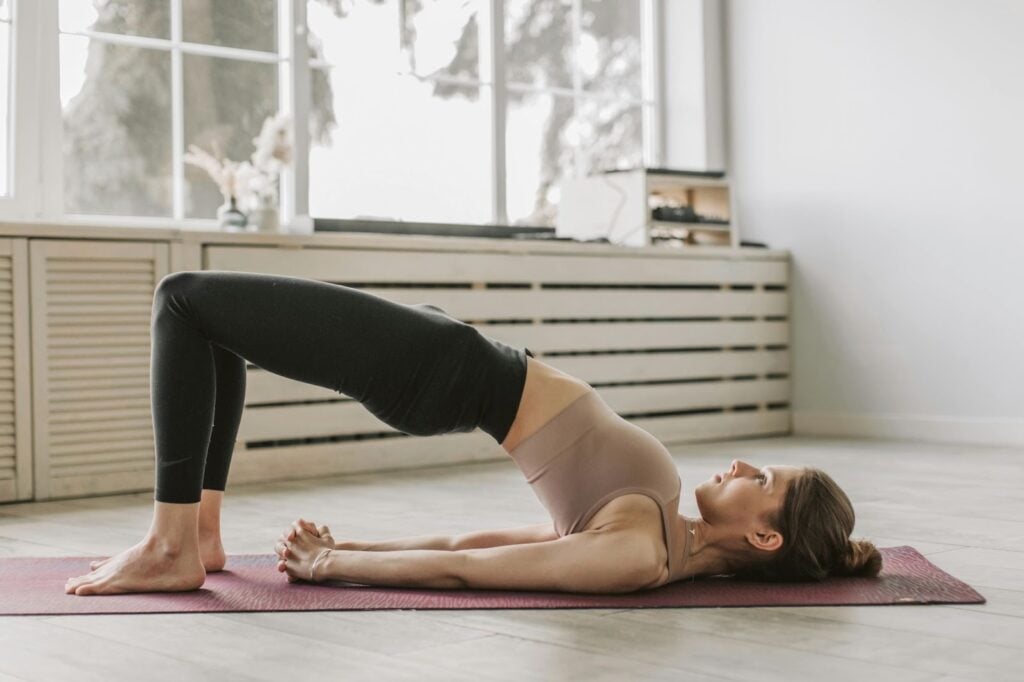
Glute bridges are easy to perform and require no equipment. You can add weight to progressively overload this exercise and build strength safely. They can also help correct your anterior pelvic tilt.
4. Plank Hold
Planks are widely known for improving core resilience, but they’re often performed incorrectly. When done correctly, they build endurance and engage the deep core while stabilising the spine. You can use your forearms or hands to prop yourself up.
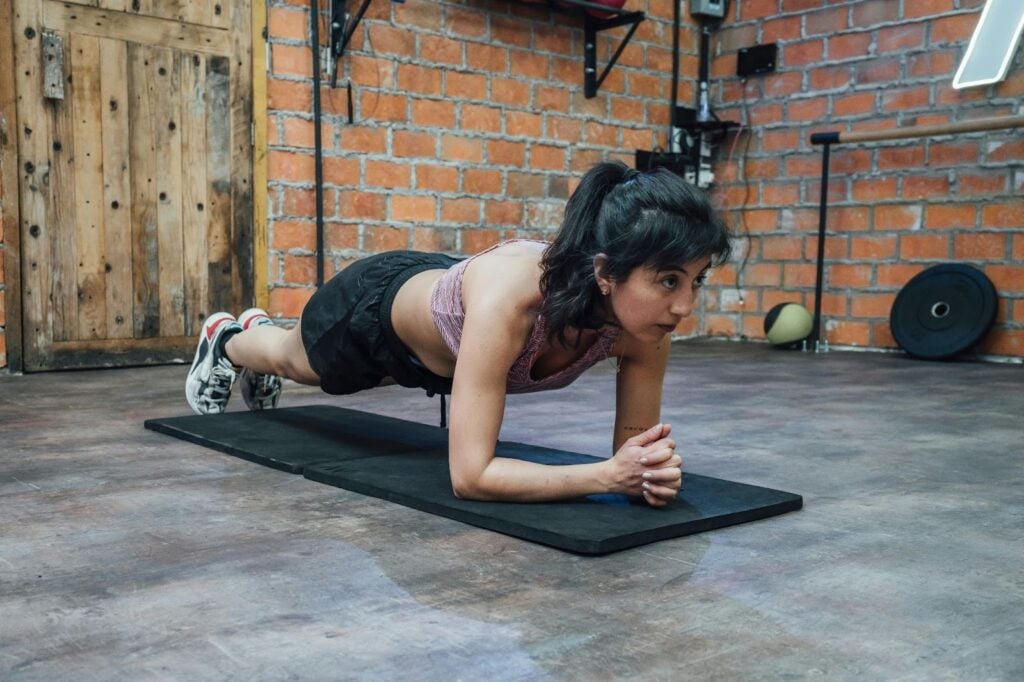
Like glute bridges, you can challenge yourself by placing weights on your back. They’re also effective for gradually correcting hip tilt. Focusing on form over time is the key to benefiting from this exercise.
5. Side Plank
Side planks build a well-rounded central stability and torso strength. They sculpt the obliques, the muscles along the sides of your abdomen. These muscles are often overlooked, yet they’re essential for building a strong, functional trunk.

If you struggle with balance, start with shorter holds. Proper form is the real goal in these exercises, as in most low-impact workouts. With regular practice, side planks help movements feel steadier and more supported.
6. Standing March Hold
Not all core exercises are done from the ground. The standing march hold involves standing upright and lifting one knee while maintaining balance and posture. It may feel hard at first, but you will gradually improve balance and core control with consistent practice.
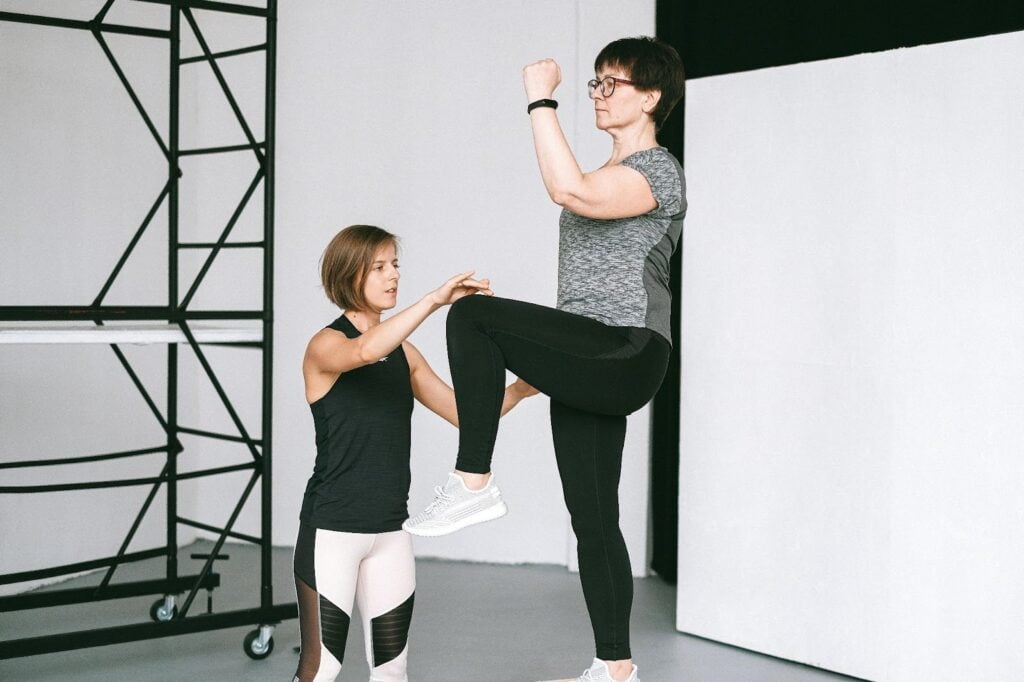
Standing marches support activities like climbing stairs or bending to pick up objects. Once stable, you can target your core by holding weights overhead or at chest height. Adding resistance bands around the ankles can significantly raise intensity.
7. Heel Slides
Heel slides are simple and easy for people of all ages. Lie on your back and slide one heel away from your body at a time while keeping your lower back glued to the floor. You can engage your core by controlling your rib flare and tucking your hips.
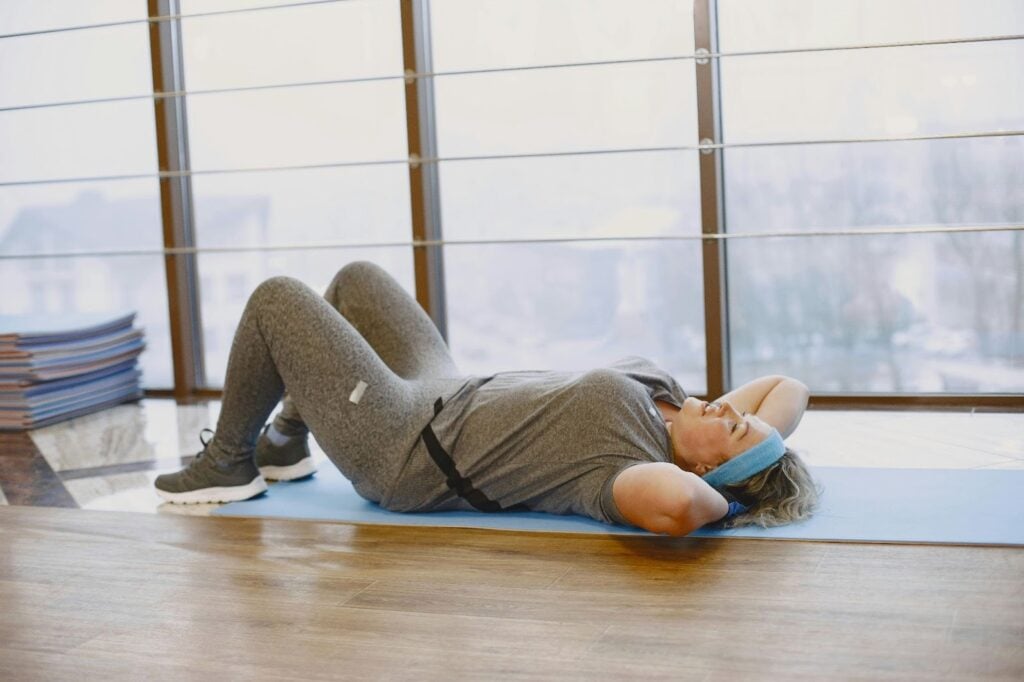
Done slowly and with control, heel slides train your deep abdominal muscles. Like dead bugs, they improve coordination and stability. Despite their simplicity, they support functional movement and make everyday tasks easier.
Final Thoughts
A strong core is the foundation of a healthy, active lifestyle. Core training can be simple, accessible, and low-impact, with intensity easily adjusted using weights or resistance. But know that you can improve core health without equipment or leaving your home.
Including these movements in your routine supports posture, spinal health, and overall physical productivity. A well-trained core makes your body feel more resilient, coordinated, and confident. Controlled, mindful movement will build a strong trunk, protect joints, and reduce the risk of injury.