5 Common Pilates Mistakes That Could Be Holding Back Your Results
 3
Mins Read
3
Mins Read
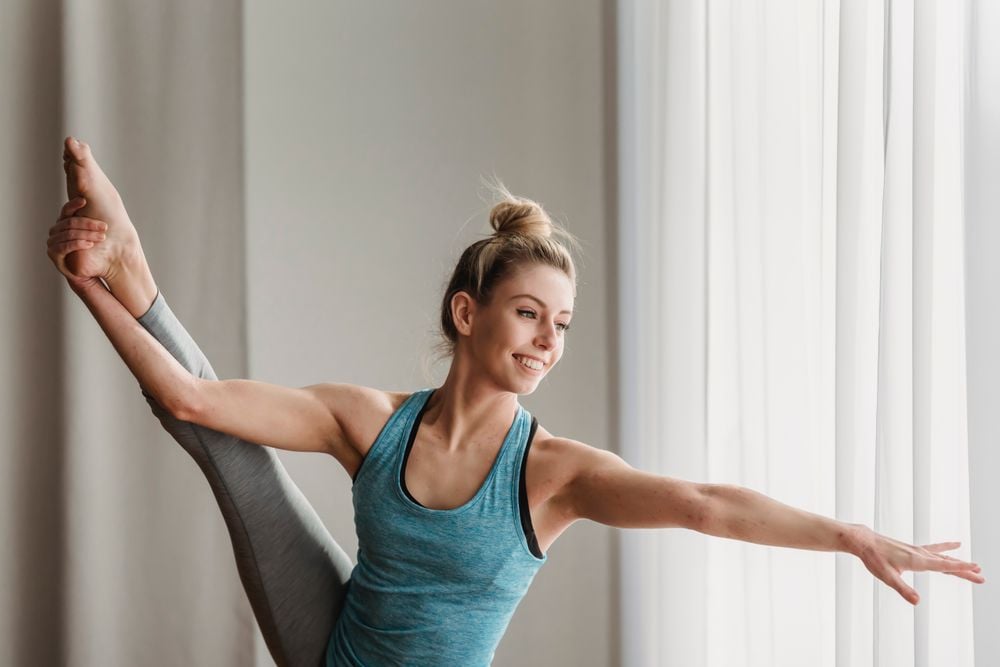
Pilates has become one of the most popular workouts for building strength, improving posture, and increasing flexibility. While the movements often look smooth and effortless, they rely more on proper technique than on speed or intensity. That’s why even small form mistakes can limit your progress.
Many beginners feel unsure about whether they’re performing the exercises correctly. The good news is that most Pilates mistakes are easy to correct once you know what to look for. Making a few simple adjustments can help you get more out of every session while lowering your risk of discomfort or injury.
1. Holding Your Breath During Challenging Movements
Breathing isn’t just important in yoga—it’s a key part of Pilates too. Every movement is designed to work with your breath, helping you activate your muscles more effectively and move with better control.
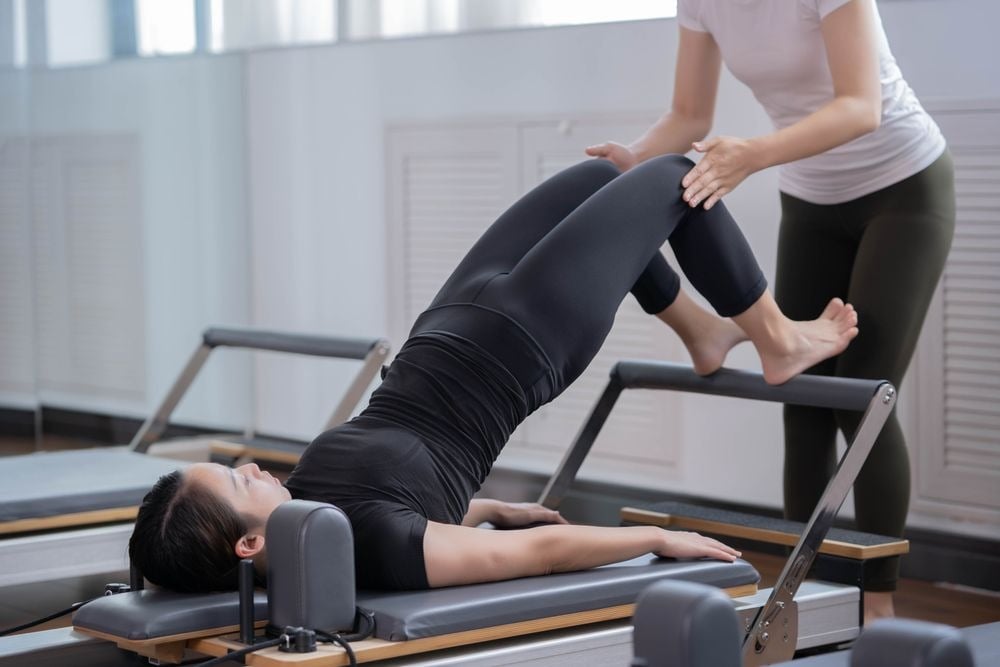
Many beginners instinctively hold their breath when an exercise becomes difficult. This often creates unnecessary tension in the neck, shoulders, and jaw, making it harder to engage the deep core muscles Pilates is designed to strengthen.
Instead, focus on breathing steadily throughout each movement and follow your instructor’s breathing cues. Coordinating your breath with each exercise can improve stability, control, and overall performance.
2. Rushing Through Each Exercise
Moving faster doesn’t lead to faster results. In fact, rushing through Pilates exercises often reduces their effectiveness because your body starts relying on momentum instead of muscle control.
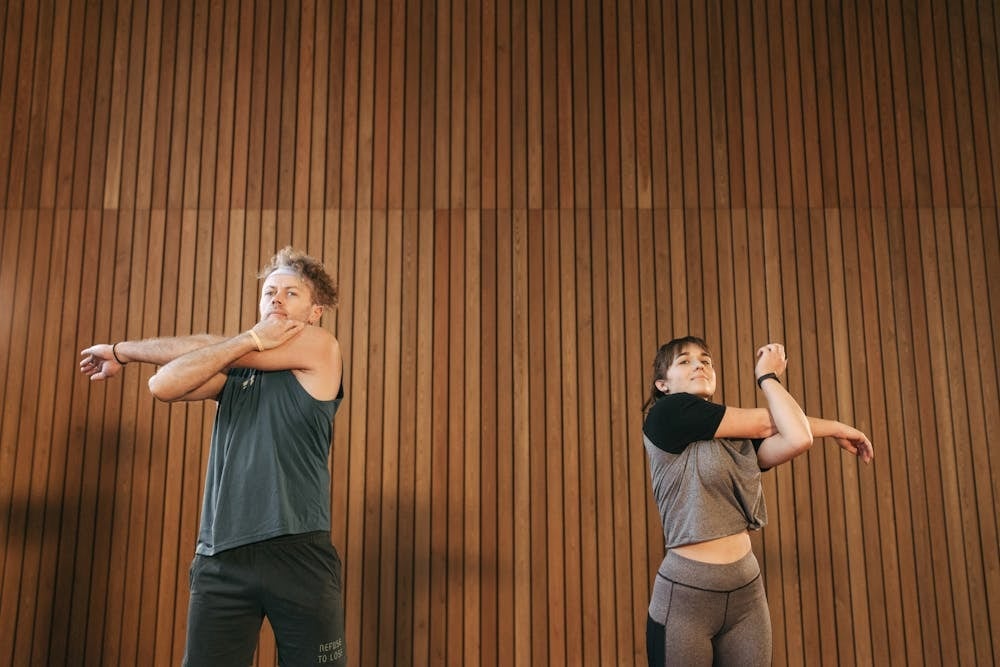
Pilates builds strength through slow, deliberate movements that challenge your balance and stability. If you speed through repetitions, you’re less likely to engage the muscles you’re trying to strengthen.
It’s also worth taking a few minutes to prepare your body before starting your workout. A proper warm-up can improve mobility and help you move more comfortably during your session.
Slow down, stay present, and focus on quality over quantity. That’s where Pilates delivers its biggest benefits.
3. Forgetting to Engage Your Core
Strong core engagement is the foundation of nearly every Pilates exercise. If your neck and shoulders feel exhausted after every workout while your core barely feels challenged, your muscles may not be working the way they should.
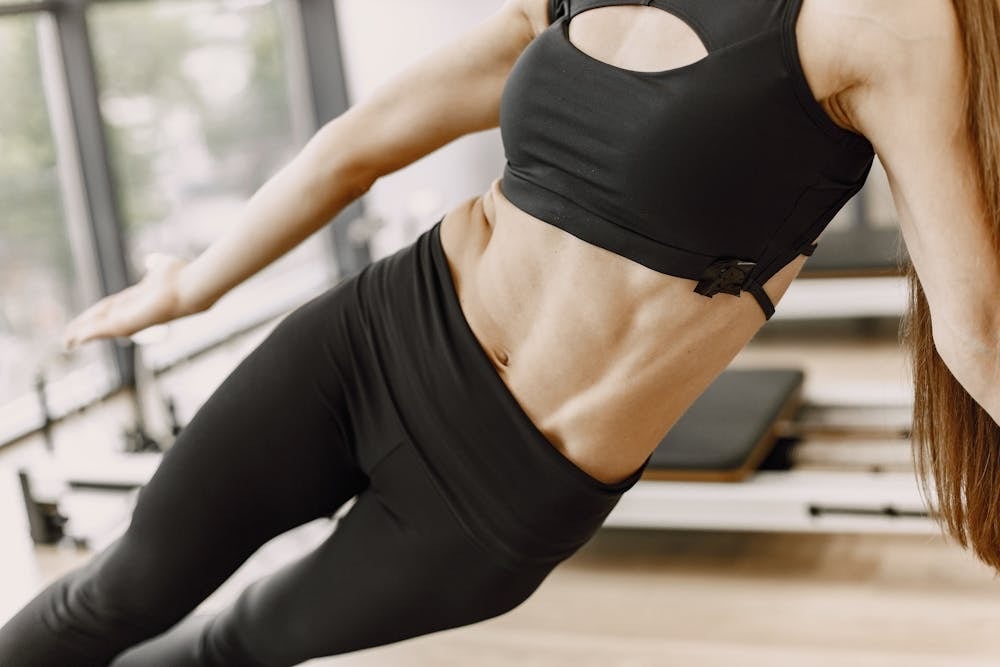
Instead of relying on your arms or legs to complete each movement, think about gently drawing your abdominal muscles inward to support your spine. This helps shift the workload to your core while reducing unnecessary strain on other areas of the body.
With practice, activating your core becomes more natural and allows you to perform exercises with greater control and stability.
4. Letting Your Hips and Spine Fall Out of Alignment
Good posture and alignment are essential in Pilates. Because many exercises involve subtle movements, it’s easy to lose proper positioning without realizing it.
Common alignment mistakes include uneven hips, rounded shoulders, and tilting the pelvis too far forward or backward. Over time, these habits can make exercises less effective and may contribute to aches or discomfort.
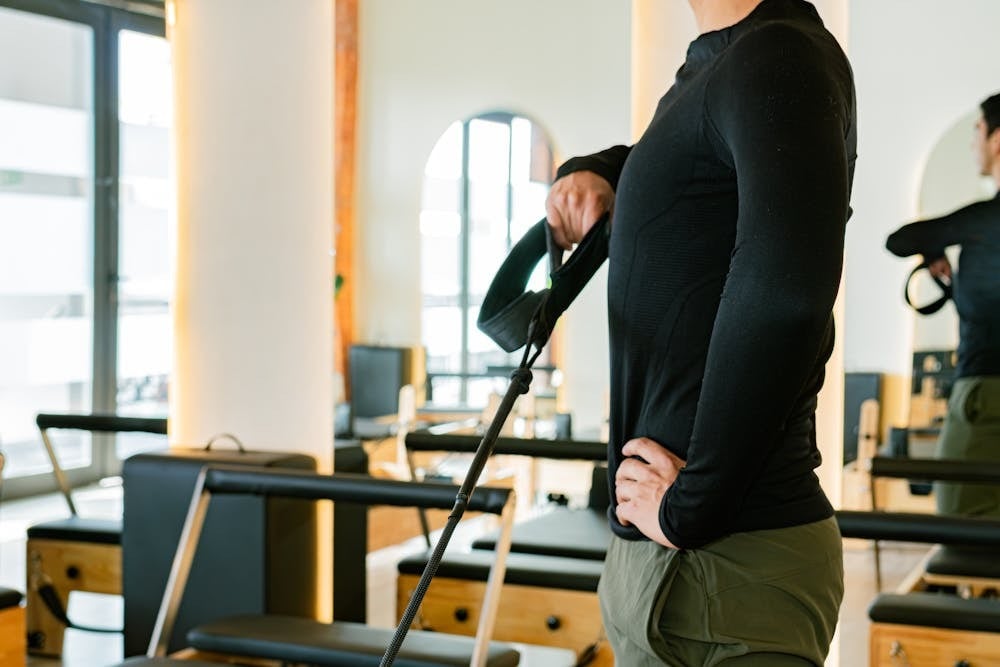
Pay close attention to your pelvic position, especially during core exercises. Maintaining a neutral spine whenever appropriate helps your deep core muscles work more efficiently while supporting healthy movement patterns.
If you’re unsure about your alignment, practicing in front of a mirror or asking an instructor for feedback can make a big difference. The end goal is to limit any and all Pilates mistakes.
5. Skipping the Fundamentals
It’s tempting to jump straight into advanced Pilates routines, especially after seeing experienced instructors perform impressive movements. But mastering the basics is one of the fastest ways to improve over time.
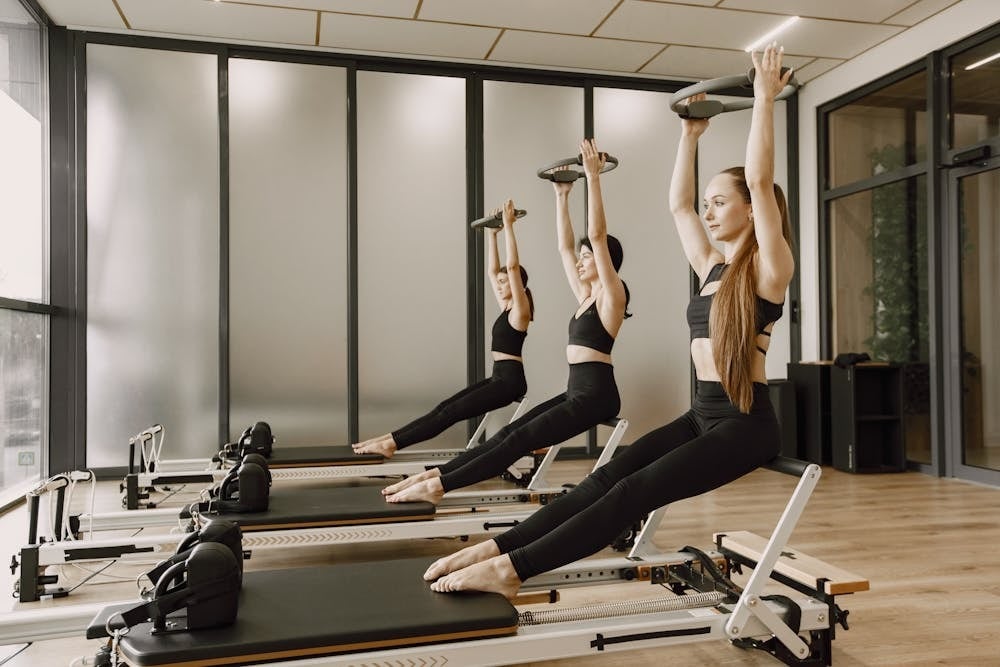
Foundational exercises teach proper breathing, alignment, balance, and core engagement—the skills every advanced movement builds upon.
Everyone makes mistakes when learning something new. Spending extra time practicing the basics helps build confidence, improves technique, and creates a stronger foundation for long-term progress.
Final Thoughts
No one performs Pilates perfectly from day one. Like any skill, it takes patience, consistency, and practice to develop good technique.
By correcting these common Pilates mistakes, you can make every workout more effective while reducing unnecessary strain on your body. Pilates rewards precision over speed, and even small improvements in your form can lead to better strength, stability, and body awareness over time.
The more intentional your movements become, the more you’ll get from every session—and that’s where lasting progress begins.


