
5 Simple Habits That Can Help You Stress Less Every Day
 3
Mins Read
3
Mins Read
Most people spend years taking care of their physical health but pay far less attention to their mental well-being. Yet your mind affects nearly every part of your life—from your sleep and energy levels to your focus, mood, and overall health. Chronic stress can be just as disruptive as a lack of exercise or poor eating habits.
The challenge is that stress often becomes part of our daily routine without us realizing it. Overthinking, worrying about the future, and constantly feeling “on edge” can gradually wear us down. The good news is that learning how to stress less doesn’t require a complete lifestyle overhaul. Small, consistent habits can help train your mind to respond more calmly to everyday challenges.
1. Focus on What You Can Control
While this might sound obvious, it’s much harder to put into practice. When you’re used to stressing over every little thing, it becomes easy to forget that not everything can be controlled. Focusing on what is within your power helps redirect your energy more productively. The goal is not to eliminate stress, but to be more intentional about what deserves your attention.

Once you learn to separate what you can control from what you cannot, you may notice your stress levels becoming more manageable. Anytime you feel overwhelmed, make a list of everything that’s bothering you. Divide it into two categories: things you can influence and things you cannot.
Then put your energy into what you can influence, and let the rest go for the day. This simple shift can help you feel more empowered and less mentally drained.
2. Try the “Brain Dump” Method
Stress tends to build up quietly over time. Unfinished tasks, worries, and mental to-do lists can stay trapped in your mind, causing your brain to revisit them repeatedly throughout the day. Holding on to all of these thoughts can be exhausting and leave you feeling mentally drained.

One simple way to clear some of that mental clutter is to practice what’s often called a “brain dump.”
Set aside 10 minutes and write down everything that’s on your mind. Don’t worry about grammar, organization, or whether it makes sense. The goal is simply to get your thoughts out of your head and onto paper.
Many people find that seeing their worries written down makes them feel more manageable and less overwhelming. It can also help you identify what truly needs your attention and what doesn’t.
3. Get Your Body Moving
Sometimes no matter what you try, your thoughts won’t slow down. On days like these, one of the best things you can do is move your body.

Physical activity is widely recognized as an effective stress reliever. Exercise helps lower stress hormones such as cortisol while increasing feel-good chemicals called endorphins that can improve mood and support emotional well-being.
Stress often creates physical tension without us realizing it. A short walk, a bike ride, a stretching session, or another gentle activity can help release some of that built-up tension.
You don’t need an intense workout to experience the benefits. Even 15 to 20 minutes of movement can help clear your mind and provide a welcome break from racing thoughts.
4. Stop Feeding Your Stress
When you’re already feeling stressed, it helps to avoid habits that may add even more mental strain. Unfortunately, many people unknowingly do the opposite.

For example, constant exposure to social media updates, breaking news alerts, and negative headlines can increase feelings of anxiety and make problems seem larger than they are. Research suggests that excessive exposure to distressing news may contribute to higher stress levels in some people.
Our brains weren’t designed to process a nonstop stream of information all day long.
If you’re already feeling overwhelmed, consider limiting how often you check the news or social media. Instead of scrolling throughout the day, try checking in once or twice and then shifting your focus to activities that help you feel calmer and more present.
5. Practice Deep Breathing
Deep breathing is one of the simplest stress-relief techniques available, and it can be done almost anywhere.
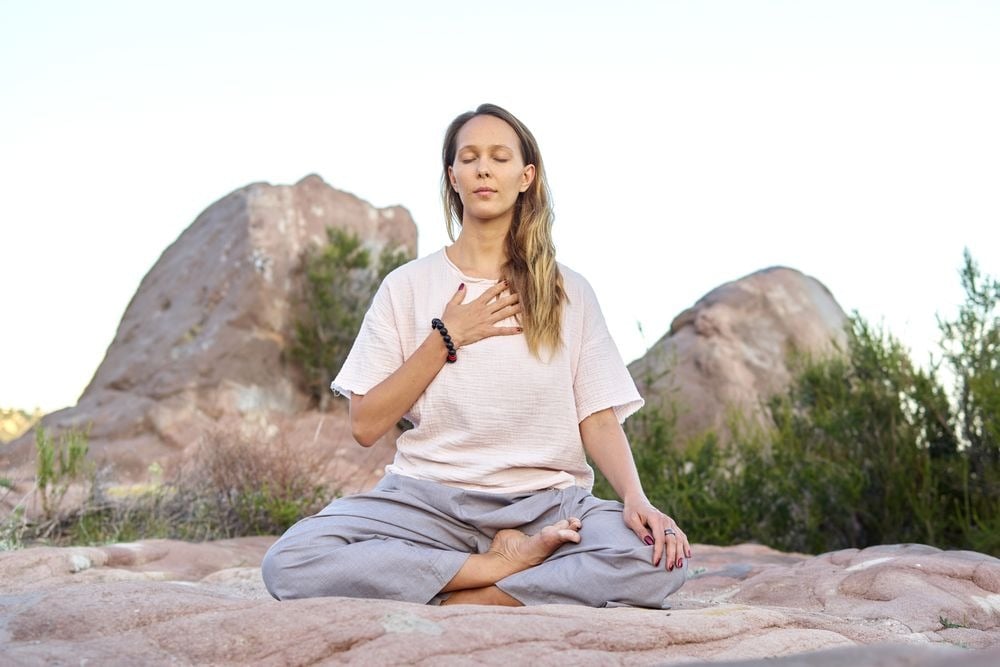
When you’re stressed, your body’s fight-or-flight response becomes more active. Slow, controlled breathing helps signal to your nervous system that you’re safe, encouraging your body to relax.
Deep breathing has been linked to a slower heart rate and lower blood pressure, both of which support a calmer physical state.
A simple place to start is to take slow breaths through your nose and make your exhale slightly longer than your inhale. Focus on breathing deeply into your belly rather than shallowly into your chest.
You can practice this for a few minutes in the morning, during stressful moments, or before bed to help your mind unwind.
Final Thoughts
Stress is a normal part of life, but it shouldn’t dominate your day. If you find yourself constantly worrying about things beyond your control, it may be time to build a few stress-management habits into your routine.
Techniques like deep breathing, journaling, limiting unnecessary stress triggers, and staying physically active are all linked to better mental well-being. While these habits may not provide instant results, consistency often makes the biggest difference.
Your mental health deserves the same attention as your physical health. By making small changes each day, you can gradually build a calmer, more resilient mindset and learn how to stress less over time.