The Hidden Health Effects of Burnout (Especially After 40)
 4
Mins Read
4
Mins Read
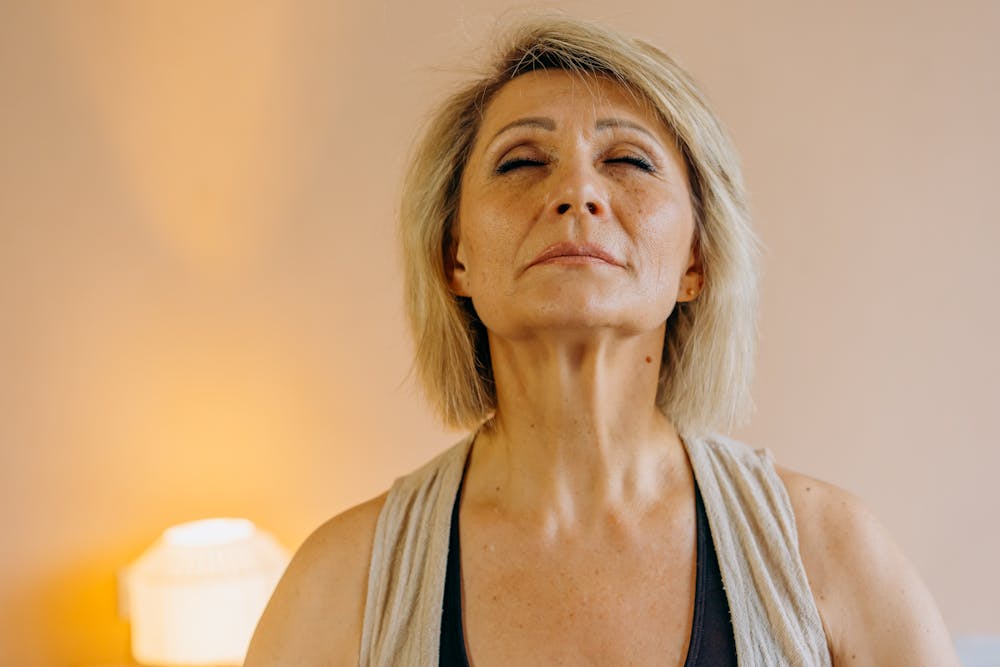
We’ve all been victims of hustle culture at some point in our lives. Working 24/7, barely eating or getting enough sleep, and living under constant stress. If these symptoms sound familiar, you’re probably suffering from burnout or quickly heading toward it.
Working your body beyond its capabilities has many downsides and very few upsides. These lifestyle choices eventually catch up to you and leave you exhausted. Before you know it, you’ve burned yourself out and can barely do anything anymore.
What Is Burnout Syndrome?
People often assume that being burned out is the same as being tired. In reality, it is much more than that. This isn’t just temporary; it’s a long-term emotional and physical exhaustion. Burnout is often the result of chronic work stress and builds slowly over time. Chronic stress keeps your body in a constant “fight or flight” mode.

There are three main stages of burnout. The first is extreme exhaustion. Then, you’ll notice yourself feeling cynical and negative about work. When these symptoms are ignored, it leads to reduced performance. Burnout can manifest as constant irritability, and you may become unable to do any work at all. Burnout is not laziness; it’s a biological stress overload.
How Chronic Stress Disrupts the Immune System
When you’re burned out, your body starts living with chronic stress. This stress does more than harm your mind. It directly affects your immune system, which protects you from illnesses and viruses. It also repairs damaged cells in your body. With chronic stress, your defense system weakens, and immune cells respond more slowly.

Stress harms your body physically by interfering with normal cellular function. Without these cells working properly, your risk of infection increases. As a result, you may end up fighting an illness when you’re already exhausted and burned out. Everything from a simple cold to allergies can start feeling much worse. This is because your body can no longer repair itself as effectively. It is essential to include exercises and lifestyle changes that help reduce stress.
Sleep Deprivation Impact on the Immune System
Sleep is more essential than we often give it credit for. It’s not just your body getting rest; it’s repairing itself. Unfortunately, despite how important it is, sleep is often neglected when your body is burned out. The time when you are most burned out is usually when your body needs the most sleep. Neglecting sleep only leads to faster burnout.
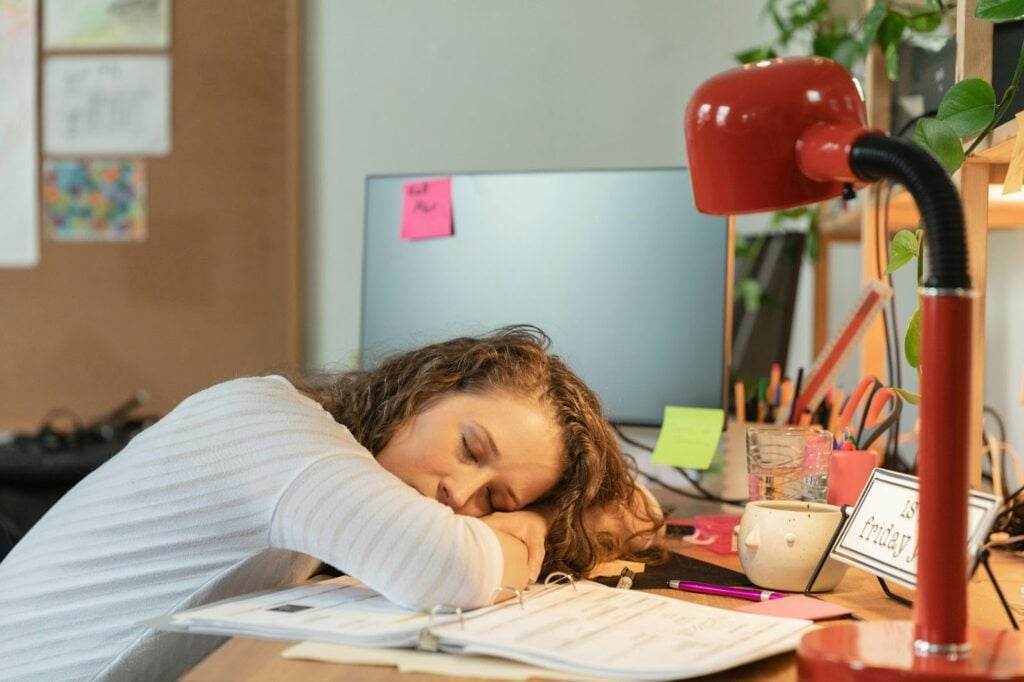
Your immune cells communicate with each other and repair the body during sleep. Deep sleep strengthens your immune memory. Years of poor sleep will eventually catch up with the body. Sleep deprivation only worsens the symptoms of burnout. It increases inflammation throughout the body and further raises stress hormone levels.
How Burnout Increases Inflammation
Inflammation is your body’s defense response, and when your body is constantly in fight mode, it only increases. Acute inflammation helps with healing, but burnout can lead to chronic inflammation, which causes more damage to the body. Burnout increases the levels of inflammatory chemicals in the body, keeping your system in a constant state of defense.
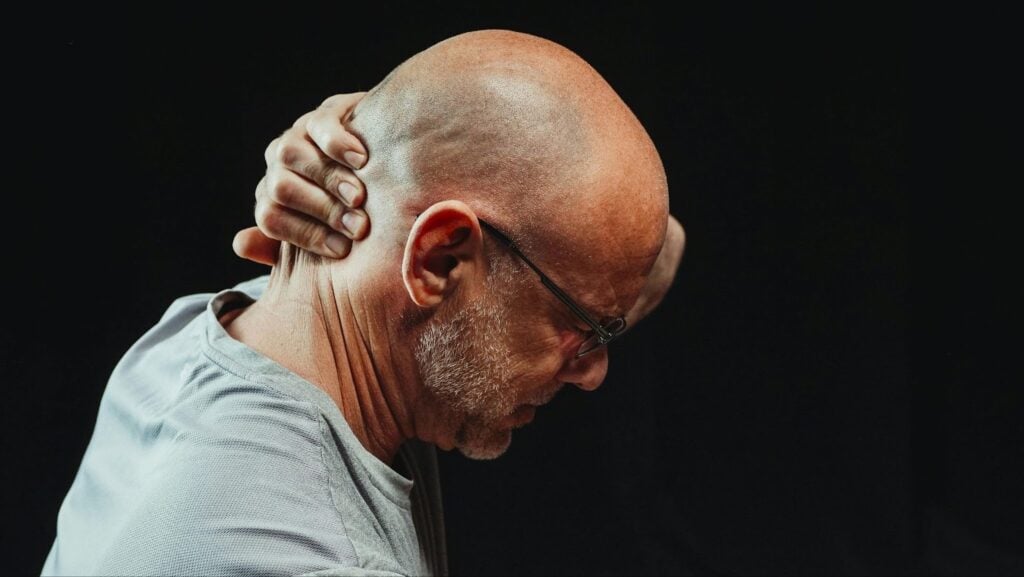
Chronic inflammation affects different parts of the body, and it can directly impact your joints. When joints are affected, muscle pain can increase, and headaches may worsen. All of these issues can raise the risk of heart disease and also contribute to insulin resistance. In addition, high inflammation has strong links to depression, which can directly affect your brain function. When you are already burned out, depression and health problems are the last things you need to deal with. During times like these, it’s important to focus on anti-inflammatory foods and take care of your body.
Gut-Immune-Stress Link
The symptoms of burnout have both physical and mental impacts on the body. These effects also influence your gut health. About 70% of your immune cells live in the gut. When you’re dealing with stress and sleep deprivation, it can disrupt the balance of your gut bacteria. Poor gut balance directly weakens your immunity. A disrupted gut can also allow toxins to enter your bloodstream.

Because of weakened immunity, people may end up taking antibiotics more frequently. However, these medications can further worsen gut imbalance. Your gut health also affects your mood. The gut produces serotonin, and when your serotonin levels are low, it becomes even harder to fall asleep. This is why it becomes important to prioritize your health during burnout. Incorporating gut health solutions into your lifestyle can also help prevent burnout from worsening.
How to Break the Burnout Cycle
Burnout isn’t a permanent state. It’s something you can recover from. During this time, it’s important to prioritize yourself over work. Many people make the mistake of trying to push through burnout by continuing to work at the same pace. This usually makes things worse. Burnout is the time to prioritize sleep and lifestyle changes.
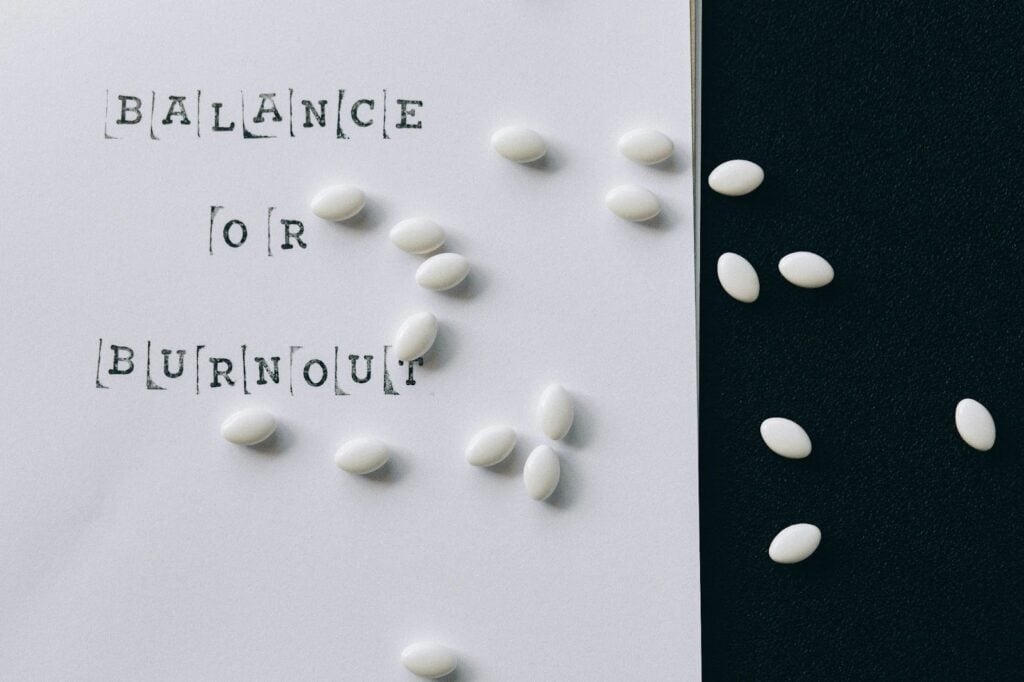
Start by setting clear boundaries so you don’t overextend yourself. Try to manage your workload realistically. Your health should never be sacrificed for work. Even if you have responsibilities to meet, make sure to take short breaks throughout the day. Be kind to yourself.
Final Thoughts
Dealing with burnout is not easy, but it’s important to focus on improving your lifestyle. By including exercise and healthy eating in your daily routine, you can help prevent your burnout from worsening.
Taking care of yourself helps shift your body into recovery mode. Recovery and rest are essential parts of life. Burnout often happens when we ignore those needs. Getting burned out is not the end of the world, but ignoring it can be.