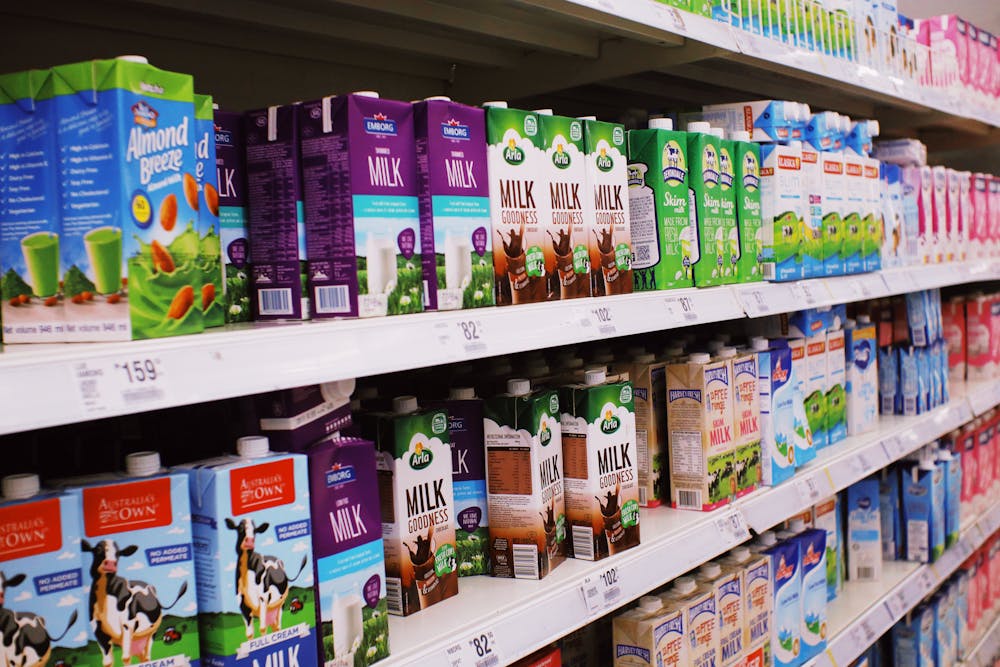
How to Read Nutrition Labels and Make Smarter Food Choices
 3
Mins Read
3
Mins Read
These days, processed food has become increasingly common. After all, it’s quick and convenient. But not all processed food is the same, and not all of it is necessarily bad for your body. Nutrition labels help you understand the difference by showing what’s inside the food.
Many front-of-package claims can be very misleading. The ingredients list is where you can really see what’s inside. Nutrition labels reveal a lot of hidden information, and reading them can support a healthier lifestyle by helping you choose ingredients that are better for your health, blood sugar, and heart.
How to Read Nutrition Labels
Nutrition labels are one of the quickest ways to know what you’re putting into your body. Just a quick look at the ingredients list can tell you a lot about a food item. However, food companies are getting smarter at hiding things, even within the labels. To actually benefit from reading nutrition labels, you need to know how to read them correctly. Keep these pointers in mind so you don’t miss anything important.
1 . Check Serving Size Before Anything Else
Many people check the nutrition label without noticing how much of the product it actually applies to. The serving size tells you how much the nutrition data applies to. Most packages contain more than one serving, so keep that in mind.
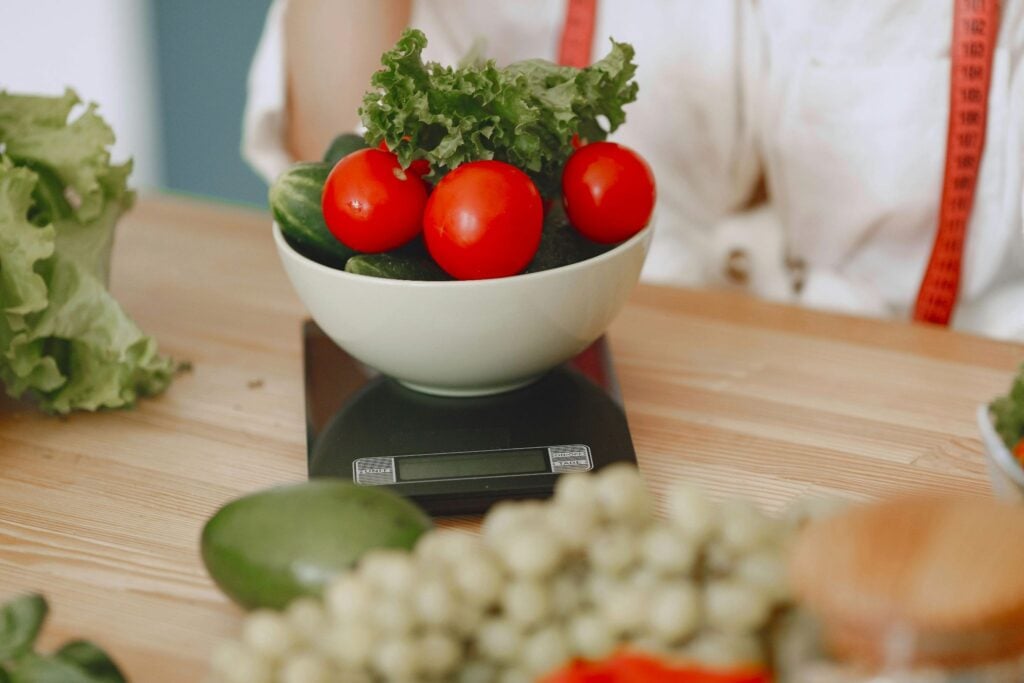
Compare the serving size on the label to how much you actually eat, which gives you a better idea of how many calories and nutrients you’re consuming.
2. Quality Matters More Than Calories
It’s easy to get caught up counting the calories on the label rather than the actual ingredients. Calories listed on the label only show the energy content of the food, not its nutritional quality.

Pay attention to where those calories come from. Are they mostly from added sugar or from protein and fiber? Calories from protein and fiber are more beneficial to your body than calories from sugar.
3. Spotting Hidden Sugar
Sugar isn’t always listed simply as “sugar” on nutrition labels. There are many other names under which it might be included within the package. Some common names for sugar include syrup, cane juice, and maltose.

Added sugars can be unhealthy when consumed in large amounts. Most added sugars raise blood sugar quickly and provide little nutritional value. It’s best to look for food with low sugar content.
4. Understand Your Carbohydrates
Carbohydrates are often misunderstood as unhealthy, but that’s not always true. Carbohydrates include fiber, sugar, and starch. Whole carbs, especially fiber, are better for gut health.
A high carb content on the label means it’ll make you feel full quickly. If your goal is not to have unnecessary meals, the right kind of carbohydrates can actually help. These carbs should be balanced with protein and fat to make a well-balanced meal.
5. Check Your Protein Content
Protein is essential for the body and should be in high content to make a healthy meal. If the food only contains carbs and sugar, it’ll only fill you up short-term.
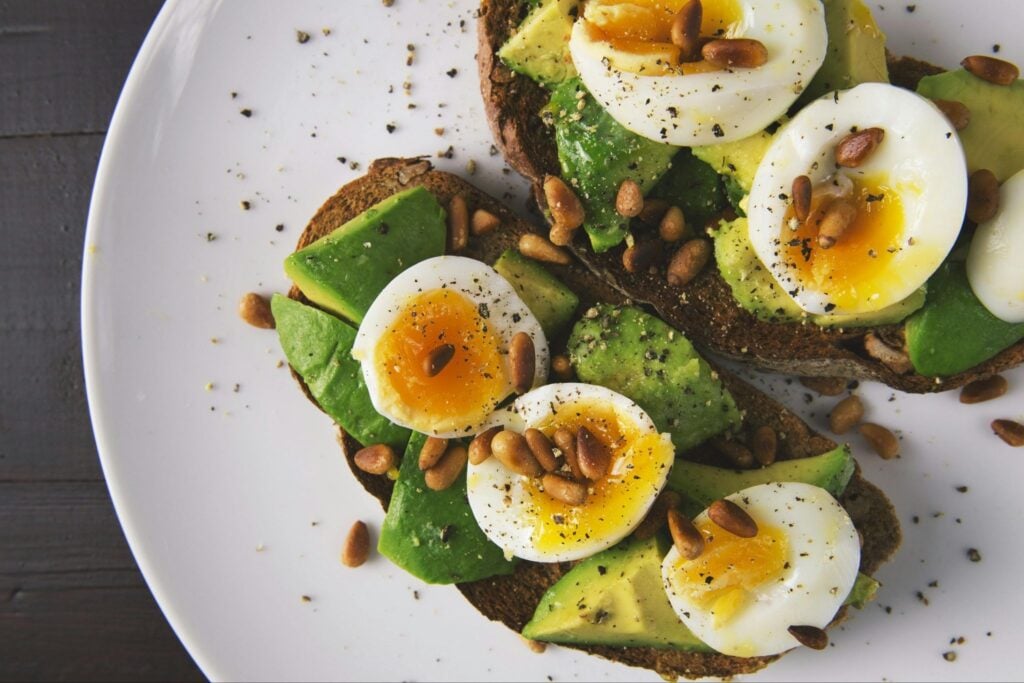
Higher protein content helps you stay full longer and reduces cravings. A healthy amount of protein must be included in every meal. Protein supports muscle health and metabolism. Regularly consuming protein will increase recovery and energy throughout the day.
6. Fats Are Not Always the Enemy
Nutrition labels include both healthy and unhealthy fats. Unsaturated fats support heart health and are good for you in moderation. Saturated fats should be limited, as they are considered unhealthy.
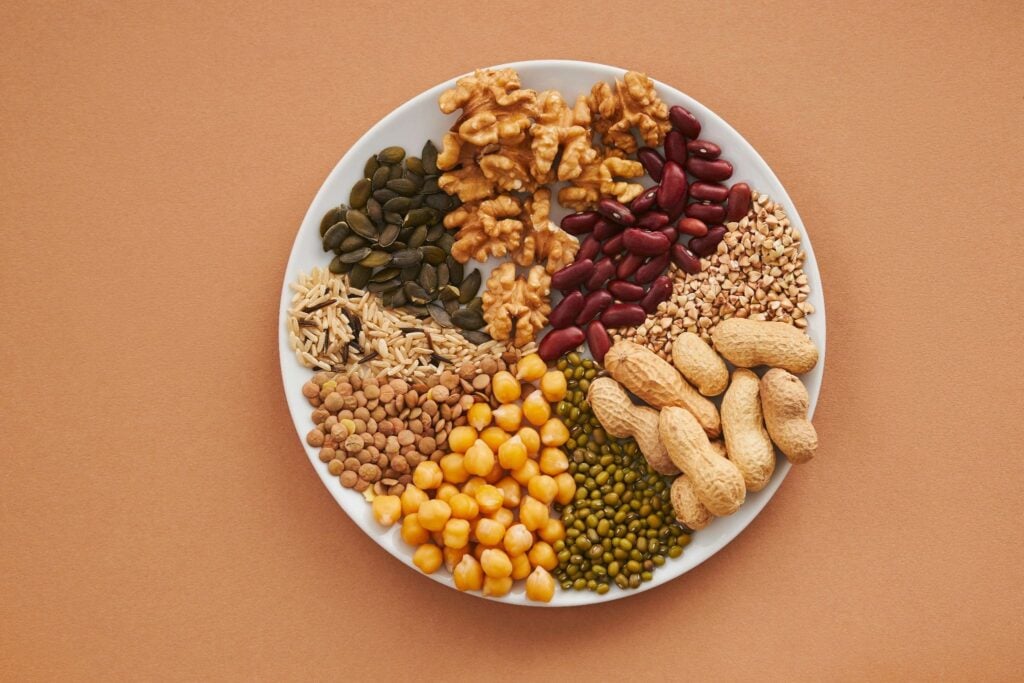
Fat itself isn’t the problem. Without fat, the body cannot absorb any of the vitamins it needs. Instead of cutting out fat, check the nutrition label to see what kind of fats you’re consuming.
7. Marketing Labels Are Misleading
When picking up a packaged food, check the serving size and nutrition label immediately before trusting the front-of-package claims. Marketing phrases are designed to grab attention and often make food seem healthier than it really is.

Words like “natural” and “organic” don’t actually make it healthy. These buzzwords don’t guarantee nutrition and are meant to distract you from the actual nutrition data. Focus on the information provided by the numbers rather than these words.
Final Thoughts
It has become almost impossible not to have processed food. That doesn’t mean you have to sacrifice your health. There are ways to still make sure what you’re buying adds to your health, not takes away from it.
Nutrition data is informative and helpful when you know how to read it properly. By keeping these pointers in mind, you’ll know exactly what to look for the next time you check a nutrition label.


